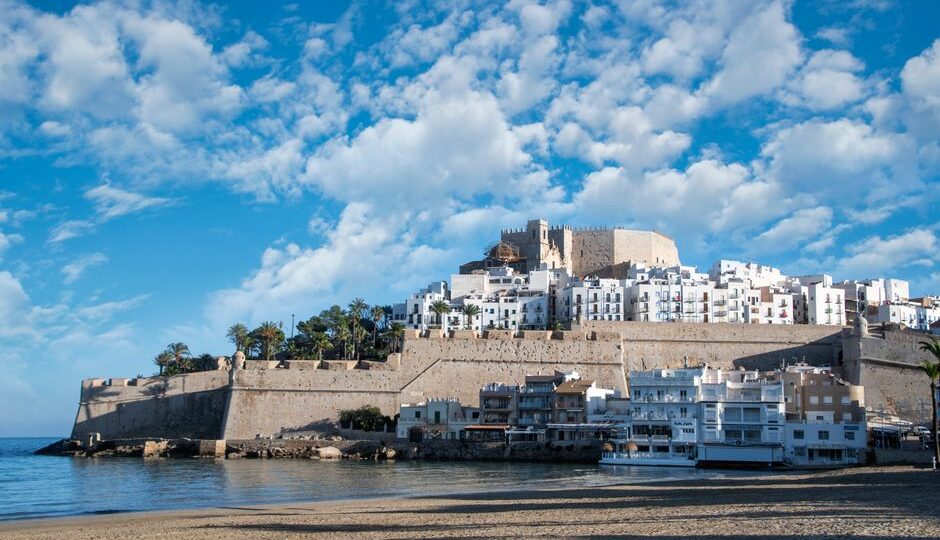
The Hidden Fortresses of Malta
Malta, a jewel of the Mediterranean, teems with history etched in stone. Among its treasures are fortresses that have stood for centuries, quietly guarding the island. While Valletta and Mdina offer glimpses of fortified grandeur, it’s the lesser-known Fort St. Angelo in Birgu that captures the imagination. This fortress, once a stronghold for the Knights of St. John, remains a testament to Malta’s strategic importance during the Crusades. Its walls, now carefully restored, whisper tales of sieges and valor. Visitors in 2026 can explore the fort’s historical exhibits, tracing Malta’s tumultuous past.
The Silent Sentinel of Nafplio
Greece, with its rich tapestry of myths and legends, hides many a fortress that speaks to its storied past. The Fortress of Palamidi in Nafplio is one such sentinel. Perched high above, its 999 steps are a challenge for even the most adventurous traveler, but the reward is a panoramic vista of the Argolic Gulf. Constructed by the Venetians in the early 18th century, Palamidi is a labyrinth of bastions and towers, each with its own tale. In 2026, visitors can traverse its paths with augmented reality guides that bring the battles and strategic maneuvers of the past to life.
Alcazaba of Almería: A Moorish Marvel
Spain’s Almería, often overshadowed by Granada’s Alhambra, offers the enchanting Alcazaba, a fortress that whispers stories of Moorish rule. Built in the 10th century, its walls are a journey through time. In 2026, cultural enthusiasts can walk through its three enclosures, marveling at the fusion of Islamic and Christian architectural influences. The view from the top, where the Alcazaba overlooks the city and the distant sea, is a sight that fuels the imagination, recalling tales of Moorish galleys and Christian reconquests.
The Enigmatic Fortresses of Corsica
Corsica, an island with a wild heart, hides fortresses that stand as a tribute to its turbulent history. The citadel of Calvi, famously linked to Christopher Columbus, offers a glimpse into Corsican resilience against Genoese and French forces. In 2026, the citadel is more than just a historical site; it’s a living community where locals and visitors alike walk its narrow streets, dine in its cafes, and gaze at the azure sea beyond. The fortress walls, illuminated by the setting sun, tell stories of battles fought and won.
The Everlasting Vigil of Fort Saint-Elme
In the south of France, where the Pyrenees meet the Mediterranean, Fort Saint-Elme stands watch. Originally built in 1552 to protect the coast from pirates, the fort is an architectural wonder with its star-shaped design. By 2026, Fort Saint-Elme has embraced technology to offer interactive historical tours. Visitors can use virtual reality to experience the life of a soldier stationed at the fort, understanding the strategic significance of this coastal guardian. The fort’s unique vantage point provides stunning views of the Côte Vermeille, making it a must-visit for history buffs and nature lovers alike.
Practical Takeaway: Planning Your Fortress Odyssey
Embarking on a journey to these hidden Mediterranean fortresses requires a bit of planning. Consider visiting during the spring or fall of 2026, when the weather is pleasant, and the crowds are thinner. Each fortress offers unique experiences, from guided tours to interactive exhibits, so allocate enough time to truly immerse yourself in their stories. Many sites have embraced technology, enhancing the visitor experience with augmented or virtual reality tours. Remember to wear comfortable shoes for those steep climbs and carry a camera to capture the stunning views that await.