Unveiling the Mysteries of Luoyang
When most think of ancient Chinese capitals, Beijing and Xi’an often come to mind. Yet, nestled in the heart of Henan Province lies Luoyang, one of China’s oldest and most storied cities. Serving as the capital for over a dozen dynasties, Luoyang is a treasure trove of historical wonders waiting to be explored in 2026.
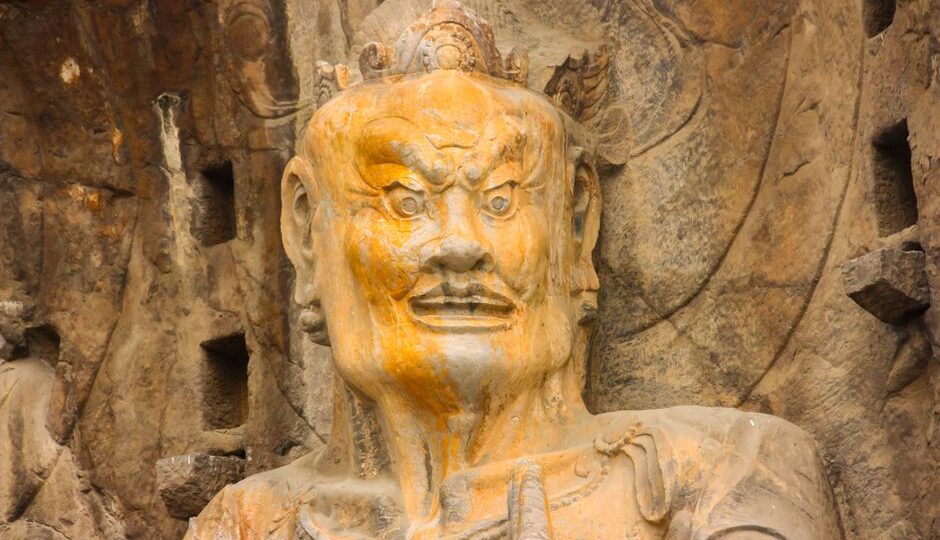
The Longmen Grottoes are undeniably Luoyang’s crown jewel. This UNESCO World Heritage site boasts over 100,000 statues carved into limestone cliffs, showcasing the artistic mastery of the Northern Wei and Tang dynasties. As you wander through this vast open-air museum, each statue tells the story of a civilization rich in culture and spiritual depth.
But Luoyang offers more than just stone figures. The White Horse Temple, often hailed as the birthplace of Chinese Buddhism, invites visitors to explore its serene gardens and ancient halls. Established in AD 68, it marks the introduction of Buddhism to China and continues to be a site of pilgrimage and reflection.
The Enigmatic Capital: Nanjing
Once the capital of ten dynasties, Nanjing is a city that embodies resilience and rebirth. Despite its turbulent history, including the infamous Nanjing Massacre, the city has emerged as a beacon of cultural heritage and innovation.
The Ming Xiaoling Tomb is a must-visit for anyone tracing the footsteps of China’s imperial past. As the final resting place of Zhu Yuanzhang, the founding emperor of the Ming Dynasty, this sprawling mausoleum is a masterpiece of classical Ming architecture. Stroll through the Sacred Way, flanked by imposing stone statues, and feel the weight of history beneath your feet.
Moreover, Nanjing’s modern vibrancy is reflected in the rejuvenated Confucius Temple area. With its lively markets, traditional Jiangnan architecture, and shimmering Qinhuai River, visitors are transported to a bygone era while enjoying the comforts of modern amenities.
The Glories of Kaifeng
Kaifeng, another jewel of Henan Province, served as the capital during the Northern Song Dynasty. In 2026, the city is a living museum, where ancient relics meet the rhythms of contemporary life.
The Kaifeng Iron Pagoda stands as a testament to the architectural prowess of the Song era. Constructed in 1049, this 13-story marvel is adorned with intricate carvings and glazed tiles, each depicting Buddhist motifs and stories.
Visitors should not miss the Millennium City Park, a vivid recreation of life during the Song Dynasty. The park brings history to life with performances, crafts, and reenactments, providing an immersive experience for history enthusiasts and families alike.
Discovering the Splendor of Hangzhou
While more famous for its picturesque West Lake, Hangzhou was once a vibrant capital of the Southern Song Dynasty. The city’s historical sites are as enchanting as its natural beauty.
Lingyin Temple, set against the backdrop of lush forests and towering peaks, is one of China’s largest and wealthiest Buddhist temples. Founded in 328 AD, its grand halls and serene gardens offer a spiritual retreat amid the hustle of urban life.
The remnants of the Southern Song Imperial Street provide a glimpse into the commercial heart of Hangzhou’s past. This bustling thoroughfare, lined with traditional shops and teahouses, transports visitors to a time when Hangzhou was the epicenter of trade and culture.
Practical Tips for the Discerning Traveler
Exploring China’s ancient capitals in 2026 requires a mix of curiosity and preparation. To truly appreciate these historical wonders, consider hiring a local guide who can provide insights beyond the typical tourist narrative.
- Time Your Visit: The best months to visit these cities are in the spring and autumn when the weather is pleasant, and the landscapes are at their most vibrant.
- Respect Local Customs: While visiting temples and sacred sites, dress modestly and maintain a respectful demeanor.
- Travel Smart: China’s high-speed rail network connects these ancient capitals, making travel between them both efficient and scenic. Consider purchasing a rail pass for cost-effective and flexible travel.
Whether it’s the artistic grandeur of Luoyang, the resilient spirit of Nanjing, the historical kaleidoscope of Kaifeng, or the tranquil beauty of Hangzhou, these lost dynastic capitals offer a unique journey through China’s rich tapestry of history.