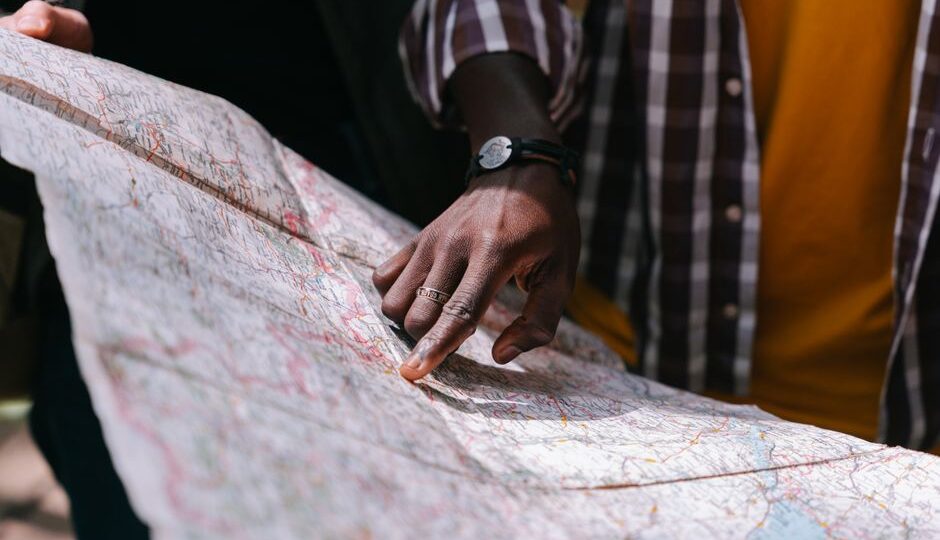
The Silk Road: More Than a Myth
Stretching over 4,000 miles, the Silk Road was more than just a passage for traders. It was a network of cultures, ideas, and technologies that shaped civilizations. While the Great Wall of China and Samarkand are known highlights, there are hidden treasures along this ancient route that offer glimpses into the past. In 2026, parts of the Silk Road have been revitalized, with new archaeological discoveries inviting travelers to explore deeper. The city of Xi’an, once the starting point of the Silk Road, now houses the Silk Road Museum, featuring interactive exhibits and recently unearthed artifacts.
Caravanserais: Ancient Inns for the Weary Traveler
Caravanserais were the lifeline of traders, providing shelter and safety along treacherous routes. These stone havens were strategically placed a day’s journey apart, offering rest to both merchants and their camels. In Turkey, the Sultanhanı Caravanserai stands as a magnificent example of Seljuk architecture. Visitors can explore its grand courtyard and imagine the bustling life it once held. In 2026, select caravanserais across the Middle East have been restored to their former glory, allowing guests to stay overnight and experience history firsthand.
The Spice Routes: Aromas of the Past
The quest for exotic spices like cinnamon, cloves, and pepper led to the establishment of the Spice Routes, which connected the East with Europe. In India, the backwaters of Kerala were pivotal in spice trade, and today’s visitors can embark on houseboat tours to see the lush spice plantations that once drew Portuguese explorers. Similarly, in Zanzibar, the Spice Tours offer a fragrant journey through the island’s history, providing insights into the cultivation and trade of spices.
Trans-Saharan Trade: The Gold Route
Crossing the formidable Sahara Desert, the Trans-Saharan trade routes were conduits for gold, salt, and slaves. The city of Timbuktu, once the epicenter of learning and commerce, remains a testament to this era. Although much of its glory is faded, the manuscripts of Timbuktu, preserved in mud-brick libraries, continue to draw scholars and tourists alike. 2026 marks the opening of a new visitor center in Timbuktu that introduces the region’s rich history to a global audience.
The Amber Road: Europe’s Prehistoric Trade Route
Amber, ‘the gold of the north’, was transported from the Baltic region through central Europe to the Adriatic coast, forming the Amber Road. This prehistoric trade route is now a journey through quaint European towns. In Poland, Gdańsk’s Amber Museum unveils the secrets of amber extraction and its role in ancient trade. Further down the route, the Czech town of Stare Mesto showcases artifacts discovered along this ancient path, offering a tactile connection to the past.
Practical Takeaway
Exploring ancient trade routes in 2026 is not just about visiting historical sites; it’s about experiencing the interwoven tapestry of human history. Each route, from the spice-laden docks of Kerala to the sandy expanses of the Sahara, tells a story of human ambition, cultural exchange, and resilience. These journeys remind us of the paths trodden by countless traders, scholars, and adventurers who bridged the gaps between distant cultures. Prepare for your journey by researching current safety advisories and respecting the local customs and preservation efforts at these sites. Let each step you take be a respectful nod to the traders of old, whose footsteps laid the foundations of our interconnected world.