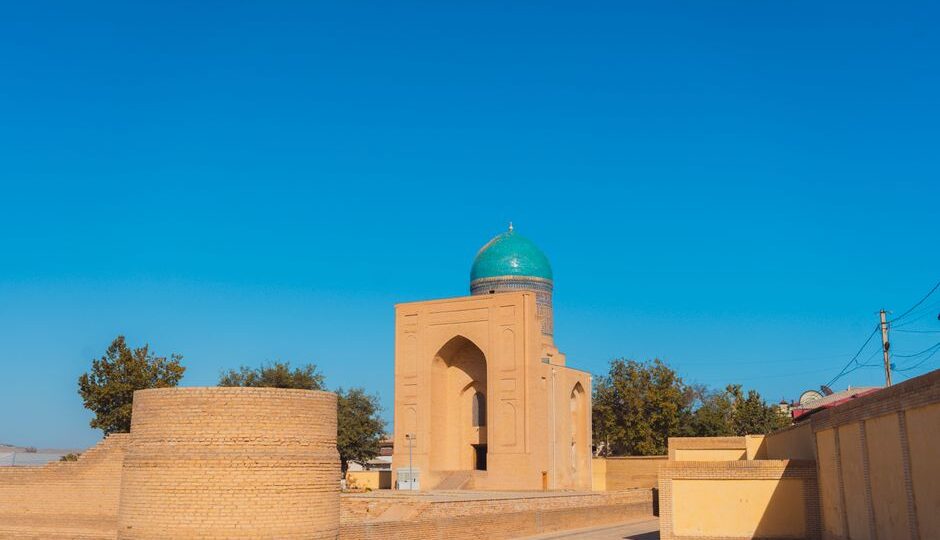
The Silk Road: More Than Just Trade
By 2026, the allure of the Silk Road continues to captivate travelers with its rich tapestry of history and culture. But beyond the well-trodden paths lies a hidden gem: the caravanserais. These ancient inns once provided sanctuary to weary traders and their caravans, and today, they stand as a testament to the cultural and economic exchanges that flourished along the Silk Road.
What Exactly Is a Caravanserai?
The term ‘caravanserai’ comes from Persian, meaning a ‘palace for caravans.’ These structures were strategically spaced about 20 to 25 miles apart, the average distance a camel could travel in a day. Serving as a hub of commerce and cultural interaction, caravanserais not only offered rest but also facilitated the exchange of ideas and goods.
Top 5 Caravanserais to Visit in 2026
- Ribat-i Sharaf, Iran
This stunning 12th-century caravanserai is a masterpiece of Seljuk architecture. Located in the Khorasan region, Ribat-i Sharaf is renowned for its intricate brickwork and expansive courtyard. As you wander through its grand arches, you’ll feel transported back to the time when silk, spices, and stories were traded amongst travelers from distant lands.
- Sultanhani Caravanserai, Turkey
Located on the ancient Silk Road route in the Aksaray province, Sultanhani is one of the largest caravanserais in Turkey. Built in 1229 by the Seljuk Sultan Alaeddin Keykubad I, its massive stone walls and fortress-like design speak to its role as a safe haven. The central courtyard is a perfect spot to imagine the bustling activity of traders and travelers from centuries past.
- Burana Tower, Kyrgyzstan
While not a caravanserai in the traditional sense, the Burana Tower is part of the ancient city of Balasagun, a key point on the Silk Road. The tower, along with the surrounding ruins, offers a glimpse into the past lives of merchants who traversed these routes. Climbing the tower provides a panoramic view of the region, a landscape that has seen countless journeys over the ages.
- Alay Caravanserai, Azerbaijan
Nestled in the Sheki region, the Alay Caravanserai boasts a picturesque setting with the Caucasus Mountains as its backdrop. This 18th-century inn still serves visitors today, offering lodging that echoes the hospitality of the Silk Road era. Enjoy local Azerbaijani cuisine in the serene courtyard, and let the historical ambiance transport you.
- Rabati Malik, Uzbekistan
Situated along the ancient trade route in Navoi, the Rabati Malik caravanserai is a remarkable structure from the 11th century. Known for its monumental portal, it stands as a symbol of the region’s rich heritage. Visiting Rabati Malik offers a unique opportunity to step into the footsteps of historical figures who once passed through its gates.
Why Caravanserais Still Matter
Caravanserais are more than just relics of the past; they are living records of human interaction and cultural exchange. Each stone and archway whispers stories of merchants, pilgrims, and explorers who connected worlds and cultures. In today’s globalized society, they remind us of the enduring power of human connection.
Practical Tips for Visiting Caravanserais
When planning your journey, consider visiting in the spring or fall, when the weather is mild and the landscapes are at their most vibrant. Be sure to hire a local guide to enrich your experience with stories and historical context. And always carry a camera – these architectural gems are not only a feast for the mind but for the eyes as well.
As you set out to explore the caravanserais of the Silk Road, remember that these sites are more than just destinations; they are pathways into understanding the interconnectedness of history, culture, and commerce. So pack your bags and prepare to uncover the whispers of the Silk Road, one caravanserai at a time.