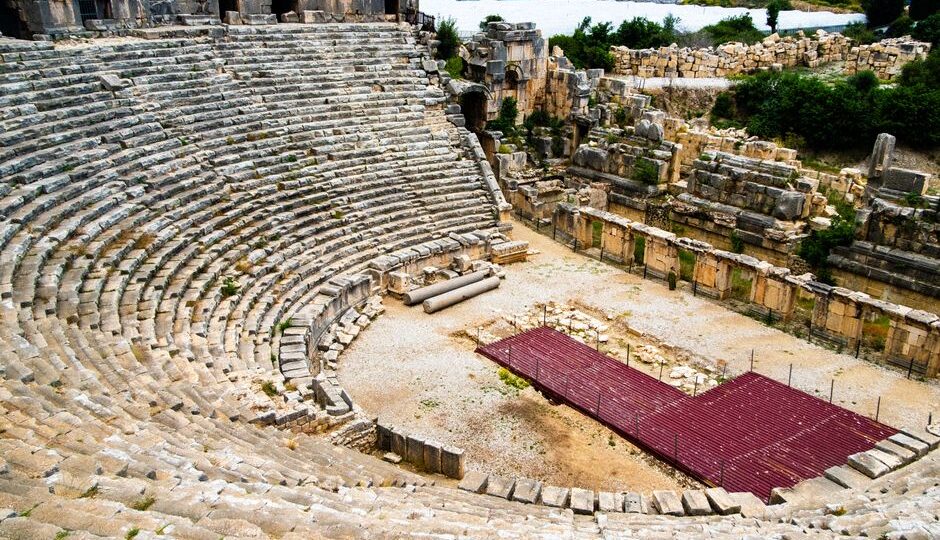
The Allure of Ancient Theaters
There’s something undeniably magical about stepping into an ancient theater. The ambiance is charged with history, echoing with the voices of long-forgotten actors and audiences. As we stand on the worn stones of these historical stages, we’re not just tourists — we’re participants in a millennia-old tradition. In 2026, ancient theaters offer more than just a glimpse into the past; they provide a unique opportunity to witness the enduring power of performance art.
Highlights of Iconic Ancient Theaters
- The Theater of Epidaurus, Greece
- The Colosseum, Rome
- The Odeon of Herodes Atticus, Athens
Renowned for its exceptional acoustics, the Theater of Epidaurus remains a marvel of ancient engineering. Built in the 4th century BC, it was designed to host sacred Asclepian games and dramatic performances. Today, its 14,000-seat capacity still welcomes visitors and performers each summer during the Epidaurus Festival. Every whisper can be heard from the top rows, a testament to the ingenuity of its creators.
No list of ancient theaters would be complete without Rome’s iconic Colosseum. Although primarily known for gladiatorial contests, it also hosted dramas and mythology-inspired spectacles. This architectural giant offers an imposing reminder of Rome’s imperial might and the culture that flourished within its walls. In 2026, the Colosseum continues to be a focal point for those seeking to explore the grandeur of ancient Rome.
Perched on the slopes of the Acropolis, the Odeon of Herodes Atticus is a stunning venue for summer concerts and performances. Built in 161 AD by Herodes Atticus in memory of his wife, it offers a more intimate setting compared to its larger counterparts. In the modern era, it hosts everything from classical concerts to rock bands, making it a living theater of both ancient and contemporary culture.
Experiencing Performances in Ancient Theaters
Watching a performance in an ancient theater is an experience like no other. Here, the past and present merge seamlessly. In 2026, many of these historic venues host annual festivals and performances, allowing visitors to experience the blend of modern art forms with ancient settings. The Epidaurus Festival in Greece, for instance, offers a mix of classic Greek tragedies and contemporary pieces, all performed under the stars.
Preserving History for Future Generations
Conserving these theaters involves intricate restoration and maintenance, often requiring international cooperation and funding. While they are windows into the past, they are also living monuments that require ongoing attention to preserve their structural integrity and historical authenticity. In recent years, increased focus has been placed on using environmentally sustainable methods in their upkeep.
Practical Tips for Visiting Ancient Theaters
Planning a visit to these ancient sites? Here are a few tips to enhance your experience:
- Check Event Schedules: Many theaters offer seasonal performances. Check ahead to book tickets for any shows during your visit.
- Wear Comfortable Footwear: Uneven stone surfaces and steps are common, so comfortable shoes are a must.
- Arrive Early: Give yourself plenty of time to explore the area and soak in the atmosphere before any scheduled performance.
- Respect the Site: These are historical landmarks. Follow guidelines to help preserve them for future generations.
Ancient theaters are not just relics of the past — they are vibrant, living venues that continue to captivate audiences worldwide. Whether you’re a history buff, a theater enthusiast, or simply someone who appreciates a good story, these timeless venues offer an unforgettable experience in 2026.