Introduction to Hidden Heritage
Traveling through Asia offers a mesmerizing journey through time, with its myriad of cultural heritage sites. While the Great Wall of China and the Taj Mahal often grab the spotlight, there’s an entire world of lesser-known locations waiting to be unveiled. These sites might not attract millions of visitors each year, but they embody stories that are just as enchanting.
The Whispering Sands of Dunhuang, China
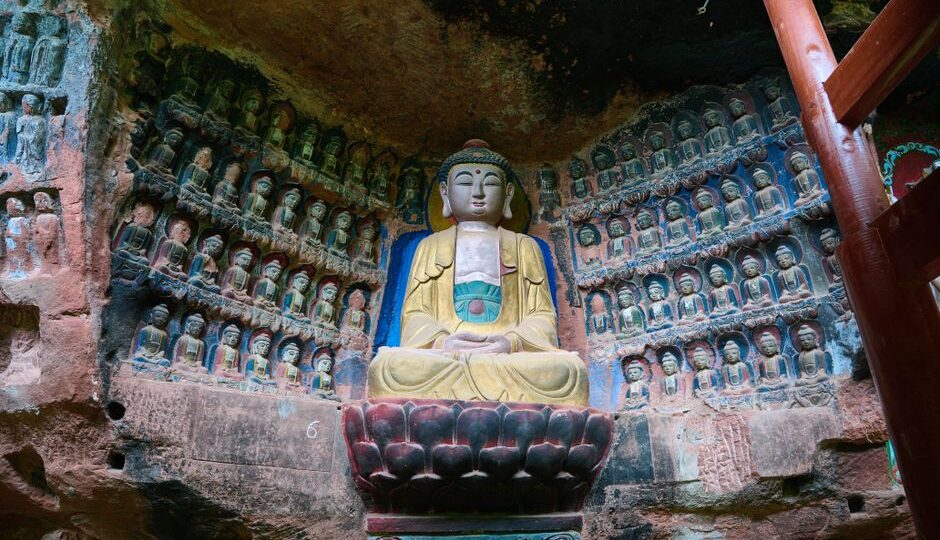
Stepping into Dunhuang feels like walking onto the set of an epic historical drama. Located on the Silk Road, this small city is home to the Mogao Caves, a series of 500 grottoes carved into a cliff face. These caves house some of the world’s finest examples of Buddhist art spanning over a millennium. Despite its profound significance, the site remains less crowded than other Chinese landmarks. A visit here not only provides a glimpse into ancient Buddhist culture but also offers a serene escape from the hustle and bustle of urban life.
My Son Sanctuary, Vietnam: An Ancient Hindu Capital
Nestled in the lush jungles of central Vietnam lies the My Son Sanctuary, a cluster of abandoned Hindu temples constructed between the 4th and 14th centuries by the Champa civilization. Once a religious center, My Son was rediscovered in the early 20th century and has since been recognized as a UNESCO World Heritage site. Despite its historical significance, it remains a hidden gem. Wandering through these timeless ruins, one can almost hear the echoes of ancient rituals performed by the Champa priests.
The Enigma of Gunung Padang, Indonesia
Gunung Padang in West Java challenges our understanding of history. Allegedly the world’s oldest pyramid, this megalithic site is shrouded in mystery. Unlike the bustling temples of Borobudur and Prambanan, Gunung Padang offers a more enigmatic and secluded experience. Archaeological research suggests the site’s origins date back over 20,000 years, potentially rewriting human history. For adventurous travelers and history enthusiasts, a visit here is both a journey into the past and a walk into the unknown.
Bagan, Myanmar: A Sea of Temples
While Bagan has been gaining popularity, it remains overshadowed by the likes of Angkor Wat. Stretching over 26 square miles, this archaeological zone once boasted over 10,000 Buddhist temples, pagodas, and monasteries, with around 2,000 still standing today. The best way to experience Bagan is via a hot air balloon ride at sunrise, where the sun’s first light casts an ethereal glow across the temple-studded plains. Despite recent political challenges in Myanmar, Bagan’s timeless beauty and spiritual aura continue to captivate those who visit.
Ishak Pasha Palace, Turkey: The Jewel of Anatolia
Perched on a remote mountainside near Dogubeyazit, the Ishak Pasha Palace is a stunning example of Ottoman architecture infused with Persian, Seljuk, and Armenian influences. Its construction began in the late 17th century and took nearly 100 years to complete. The palace’s ornate design and strategic location offer breathtaking views of the surrounding plains. Visitors here can explore the beautifully restored rooms and courtyards, feeling the whispers of history that echo through its ancient walls.
Practical Takeaway: Planning Your Heritage Adventure
For those intrigued by these hidden treasures, planning a trip requires a bit of research and flexibility. These sites often lack the infrastructure of more popular destinations, which adds an element of adventure to the journey. Consider hiring a local guide to enhance your understanding and ensure you don’t miss hidden details. Always check the latest travel advisories, especially for sites in politically sensitive areas. Remember, it’s not about ticking boxes off a list, but about immersing yourself in the stories and cultures these places have to offer.