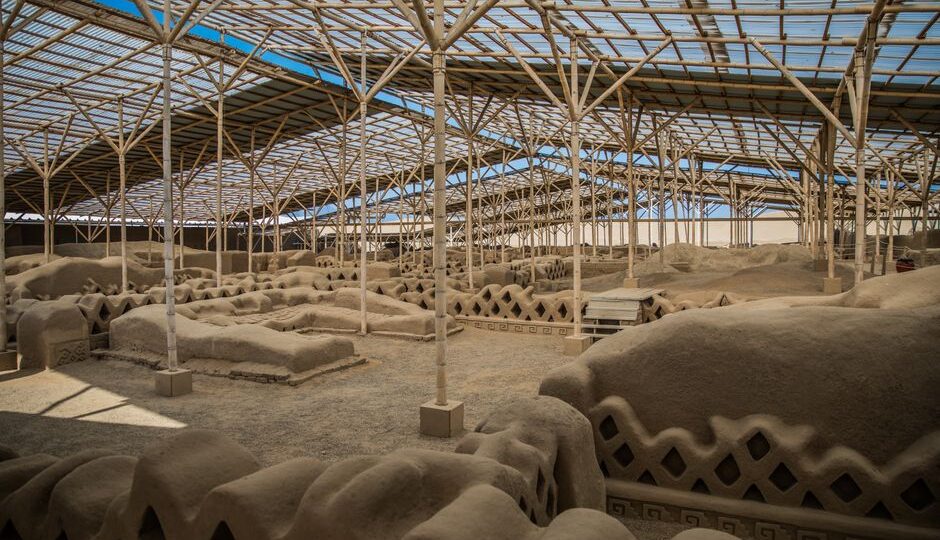
The Fragility of History
Imagine walking along the cobbled streets of an ancient city, feeling the cool stones beneath your feet, but knowing that within a decade, these streets might crumble away, taking with them stories untold. As of 2026, several historical sites are teetering on the edge of oblivion. Whether through natural decay or human intervention, these places are in desperate need of preservation efforts. Let’s delve into some of the most endangered cultural heritage sites that call for our attention this year.
The Soaring Citadel of Aleppo, Syria
The Citadel of Aleppo stands as a testament to over 5,000 years of human history. Yet, the scars of recent conflicts have left this monumental fortress vulnerable. Restoration efforts have begun, but the citadel faces challenges from both environmental degradation and the aftermath of war. A visit now offers a poignant reminder of resilience—each arch and passageway echoing stories of survival against the odds.
The Sinking City of Venice, Italy
Venice, often dubbed the ‘City of Canals,’ faces the dual threats of rising sea levels and mass tourism. The iconic St. Mark’s Basilica and the Grand Canal are no strangers to flooding, as high tides, known as ‘acqua alta,’ become increasingly frequent. Preservation projects are underway, but their success hinges on global cooperation and sustainable tourism practices. Tours focusing on eco-friendly travel are becoming popular, and visiting in 2026 promises both beauty and a lesson in human impact on our environment.
The Crumbling Glory of Nan Madol, Micronesia
Known as the ‘Venice of the Pacific,’ the archaeological site of Nan Madol in Micronesia is a series of artificial islands linked by canals. The site is at risk due to natural erosion and rising sea levels. This mystical location offers a rare glimpse into the Pacific Islanders’ engineering genius. Initiatives to stabilize the structures are in progress, making now a critical time to witness this unique heritage.
The Vanishing Temples of Bagan, Myanmar
Bagan’s landscape is dotted with more than 3,000 temples, pagodas, and monasteries, tracing back to the 11th century. Earthquakes and neglect have left many structures in disrepair. The government, alongside international teams, is working tirelessly to preserve these holy sites. Visitors in 2026 will find themselves amidst an atmosphere of reverence and urgency, as the campaign to save Bagan’s treasures gains momentum.
Take Action: How You Can Help
Traveling to these sites is not just about witnessing history; it’s about becoming part of the narrative to save it. Here’s what you can do:
- Support Responsible Tourism: Choose tour operators that contribute to conservation efforts and respect local communities.
- Donate to Preservation Funds: Many of these sites have dedicated funds for restoration and preservation. Your contributions can make a tangible difference.
- Raise Awareness: Share your experiences and stories to highlight the importance of preserving these sites for future generations.
By engaging with these endangered sites, travelers not only enrich their own understanding but also contribute to the crucial work of preservation. The stories these places tell are invaluable, and with collective effort, they may continue to do so for generations to come.