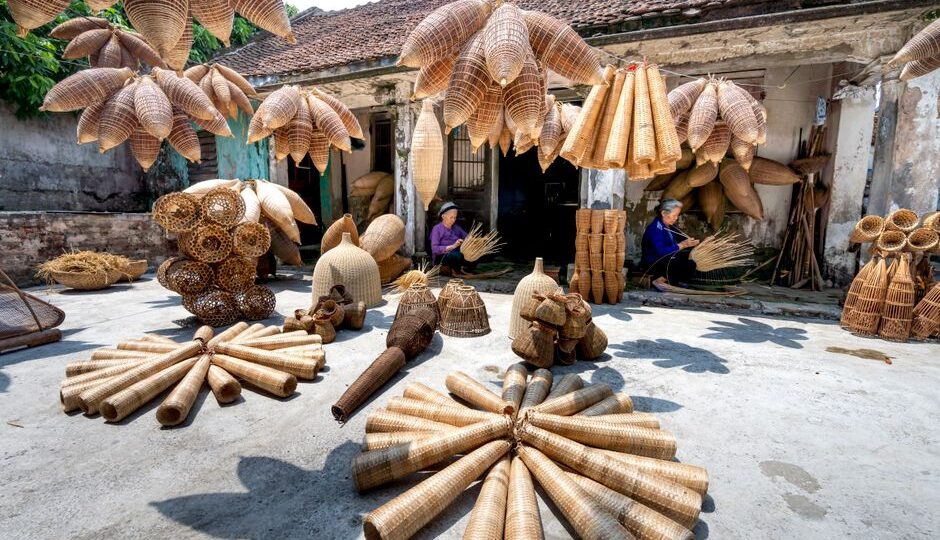
The Resurgence of Artisanal Villages
In an era where technology dominates daily life, there’s a place where time seems to stand still. Welcome to the artisans’ villages of 2026—where the ancient crafts of weaving, pottery, and metalwork thrive. These villages have become a hotbed for travelers seeking to experience the authenticity of age-old traditions. Journey with us as we explore these vibrant centers of creativity, where every piece tells a story of history, culture, and skill.
1. The Timeless Charm of Santa Fe’s Weaving Village
Nestled in the enchanting landscape of New Mexico, the weaving village of Santa Fe is a tapestry of color and tradition. Renowned for its intricate textile designs, this village is home to artisans who have mastered the art of weaving passed down through generations. Visitors can wander through workshops, watching artisans spin colorful yarns into blankets that echo Navajo traditions. With over 200 years of history, these textiles are a living testament to the cultural mosaic of the American Southwest.
2. The Potter’s Paradise in Deruta, Italy
In the heart of Italy, Deruta stands as a beacon of ceramic excellence. Known worldwide for its hand-painted pottery, this village invites you to a world where clay meets creativity. Each piece, from vibrant dinnerware to ornate vases, reflects the spirit of the Renaissance era. Artisans here are eager to share their knowledge, offering workshops where you can learn the delicate dance of molding and painting clay. It’s an immersive experience that promises to deepen your appreciation for this age-old craft.
3. Metalwork Marvels in Marrakech
The bustling souks of Marrakech are not just for shoppers. They are an artisan’s haven, especially for those skilled in the ancient craft of metalwork. Wander through the narrow streets and you’ll find workshops alive with the clinking of hammers on brass and copper. These craftsmen are the heart of the medina, creating everything from ornate lamps to intricate jewelry. Joining a guided tour will offer you an intimate look at their meticulous process, ensuring you leave with more than just a souvenir.
4. The Glassblowing Guilds of Murano
Just a stone’s throw from Venice, the island of Murano is synonymous with exceptional glassmaking. Since the 13th century, Murano has been the epicenter of glass artistry. Visit any of its numerous workshops and you’ll be captivated by the sight of artisans blowing, shaping, and coloring molten glass into stunning pieces. The island offers guided tours, allowing enthusiasts to witness this mesmerizing process firsthand and even try their hand at creating their own glass masterpiece.
5. Revitalizing Craftsmanship in Kyoto’s Nishijin District
The Nishijin district of Kyoto is a testament to Japan’s enduring dedication to craftsmanship. Known for its exquisite silk textiles, Nishijin has been producing kimono fabrics since the Heian period. The area’s weaving workshops offer a glimpse into this intricate art, where traditional wooden looms are still used to create fabrics of breathtaking beauty. Engage with master weavers and learn how they maintain the delicate balance between preserving tradition and embracing innovation.
Practical Takeaway: Experience, Learn, and Support
Visiting these artisans’ villages offers more than just a chance to witness skilled craftsmanship. It provides an opportunity to partake in the preservation of cultural heritage. As you travel through these historic sites, consider participating in workshops and purchasing pieces directly from the artisans. Not only do you gain a unique souvenir, but you also support the livelihoods of these talented individuals, ensuring their crafts continue to thrive. So, pack your curiosity and embark on a journey where history, culture, and artistry converge into an unforgettable experience.