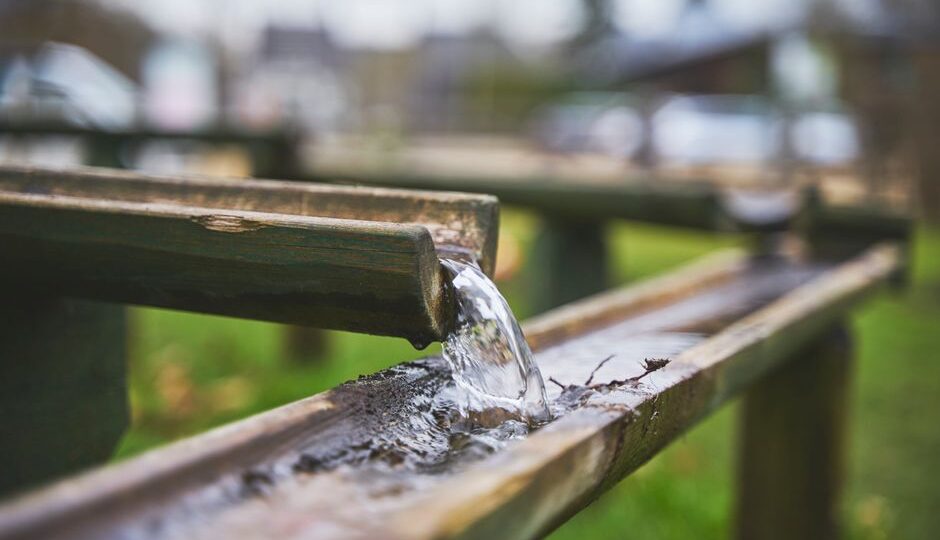
Introduction to Ancient Water Systems
Water has always been the lifeblood of civilizations, enabling societies to flourish in even the most arid climates. In 2026, exploring ancient water management systems offers a fascinating glimpse into the ingenuity of our ancestors. From the intricate aqueducts of the Romans to the qanat systems in Persia, these marvels of engineering not only highlight historical innovation but also provide insights into sustainable practices for the future.
The Roman Aqueducts: Engineering Marvels of Their Time
The Romans were pioneers in water management, creating a vast network of aqueducts that supplied their cities with fresh water. The Pont du Gard in France is one of the most iconic examples. Built in the first century AD, this three-tiered structure spans the Gardon River and stands as a testament to Roman engineering prowess. As you walk along its ancient stones, imagine the thousands of liters of water that once flowed daily through its channels to quench the thirst of Roman citizens.
Another must-see is the Aqua Claudia, one of Rome’s longest aqueducts, stretching over 69 kilometers. Despite its age, parts of it still stand proudly in the Italian countryside, symbolizing the durability and foresight of Roman infrastructure.
The Qanats of Persia: Sustaining Life in the Desert
Long before modern irrigation, the Persian Empire developed a system known as qanats to transport water from underground aquifers to the surface. This ingenious method involved digging gently sloping tunnels to bring water to arid regions without the need for pumps. These systems were so effective that some are still in use today, over 2,500 years later.
Visitors to the city of Yazd in Iran can see these ancient tunnels first-hand. The Yazd qanats, a UNESCO World Heritage Site, demonstrate how ancient Persians harnessed the natural landscape to sustain their communities. Wandering through the city, one can appreciate the harmony between human settlement and nature that these structures represent.
The Stepwells of India: Architectural Beauty Meets Utility
In the arid regions of India, stepwells were constructed to collect and store seasonal rainwater, ensuring a reliable supply throughout the year. These wells are not only functional but also architectural masterpieces. The Rani Ki Vav in Gujarat, built in the 11th century, is a prime example, featuring intricate carvings and a series of descending steps that lead to the water below.
Chand Baori in Rajasthan is another stunning site, with over 3,500 narrow steps arranged in perfect symmetry. As you descend, the temperature noticeably drops, offering a cool respite from the desert heat. These stepwells highlight the blend of utility and aesthetic consideration in ancient Indian water management practices.
The Incan Aqueducts: Mastery of the Andean Environment
The Incas were adept at managing the mountainous terrain of the Andes, developing sophisticated aqueducts and terraces to sustain agriculture at high altitudes. The most famous of these is the Tipon complex near Cusco, Peru, which features a series of aqueducts and canals that channel water to agricultural terraces.
Walking through Tipon, you can witness the ingenious layering and water flow techniques that allowed the Incas to thrive in such challenging environments. These structures showcase how water management was essential to Incan society, supporting both agriculture and spiritual practices.
Practical Takeaway: Lessons for Modern Water Management
Exploring these ancient water systems offers valuable lessons for contemporary water management challenges. As global populations grow and climate change impacts water resources, understanding how ancient civilizations adapted to their environments can inspire sustainable solutions today.
Consider how the principles of gravity-fed systems, sustainable sourcing, and community-focused design can be integrated into modern practices. These timeless innovations remind us that even in a high-tech world, sometimes looking to the past offers the most profound insights for the future.