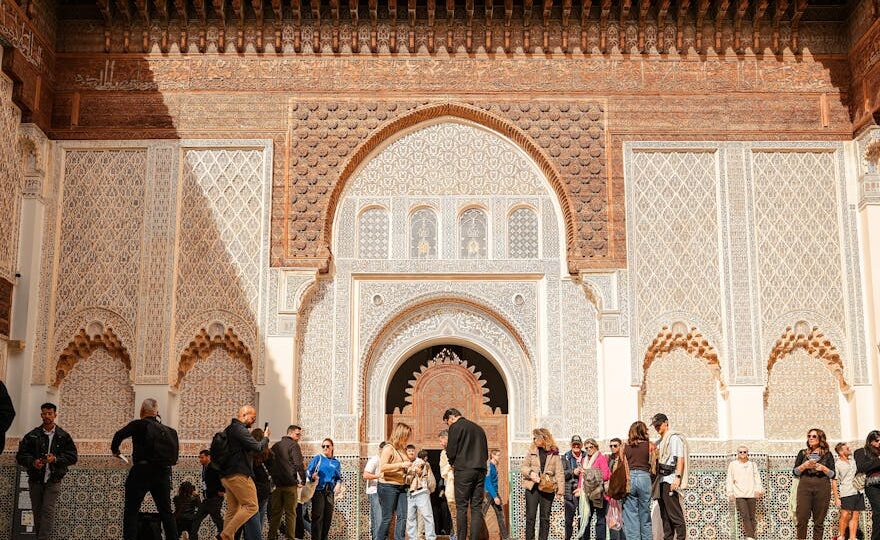
The Reawakening of Cultural Consciousness
This year, 2026, marks another chapter in the ongoing surge of heritage tourism. A renewed cultural consciousness is sweeping across the globe, driven by an ever-increasing desire to reconnect with our roots and understand the intricate tapestry of human history better. People are no longer mere spectators of history; they want to be participants. This deep-seated curiosity has inspired countless travelers to seek out the world’s heritage sites, from the ancient pyramids of Giza to the mesmerizing ruins of Machu Picchu.
Cultural identity and heritage are not just words in a textbook for many. They are living, breathing aspects of modern life that people want to experience firsthand. This year, there’s been a notable 15% increase in global heritage tourism compared to 2025, revealing that more individuals are prioritizing these genuine, enlightening experiences over the well-trodden paths of conventional tourism.
Technological Innovations Enhancing Access
One pivotal driver of this trend is the remarkable advancement in technology, making heritage tourism more accessible and engaging than ever before. Virtual reality (VR) and augmented reality (AR) have become essential tools for heritage sites, offering immersive experiences that were previously unimaginable. For instance, the Colosseum in Rome now provides VR headsets to visitors, allowing them to witness gladiatorial combats as if they were truly there in ancient times. Such technological marvels have led to a 25% increase in visitor satisfaction at such sites.
Moreover, innovative apps and online platforms have made it easier for tourists to navigate these historical landscapes. With the help of AI-powered guides, travelers can receive personalized tours that align with their unique historical interests, transforming heritage tours into highly customized experiences.
Preservation Efforts and Sustainable Tourism
The rise in heritage tourism is intricately linked with an increased focus on preservation efforts and sustainable tourism practices. Governments and NGOs have ramped up efforts to preserve these irreplaceable sites for future generations, often collaborating with local communities to maintain authenticity while boosting the local economy.
The ancient city of Petra, for instance, has seen a restoration boost with international funding, helping preserve its architectural wonders while implementing sustainable practices that limit environmental impact. These efforts not only safeguard history but also provide educational opportunities for visitors, leading to a 30% increase in local employment within heritage tourism sectors.
Global Events and Heritage Celebrations
Another significant factor contributing to the rise of heritage tourism is the global celebrations and events focused on cultural heritage. The UNESCO World Heritage Convention, celebrating its 50th anniversary this year, has curated a series of events and exhibitions worldwide.
These gatherings have drawn millions, emphasizing the importance of cultural preservation and encouraging people from all walks of life to explore and appreciate different heritages. In Jaipur, the annual Heritage Festival has become a magnet for tourists, showcasing traditional crafts, music, and dance. Such events not only promote tourism but also foster a sense of unity and shared global heritage.
Social Media and the Rise of Influencer Culture
Social media has undeniably played a crucial role in the increasing popularity of heritage tourism. Platforms like Instagram and TikTok are filled with influencers who share their thrilling journeys to historical sites, often highlighting lesser-known destinations alongside the more famous ones.
These influencers, boasting millions of followers, often transform obscure historical sites into trending locations overnight. The ancient city of Angkor in Cambodia, for example, saw a 20% rise in its international visitor count after a viral TikTok video showcased the breathtaking sunrise over its temples.
The power of these platforms is immense; they offer real-time recommendations and reviews, making it easier for travelers to discover and plan their visits to heritage sites.
A Practical Takeaway for Aspiring Heritage Tourists
The rise of heritage tourism is a testament to our collective quest to understand the past and its influence on contemporary life. For those eager to embark on a heritage-filled journey, the key is to remain open to the stories these sites have to tell and to respect the cultures they represent.
Embrace the opportunity to engage with local communities, learn from their histories, and contribute to the preservation efforts that keep these sites alive. Whether you’re wandering through the historic streets of Kyoto or tracing the footsteps of Mayan civilization in Tikal, each visit is a step towards a deeper appreciation of the world’s rich and diverse heritage.