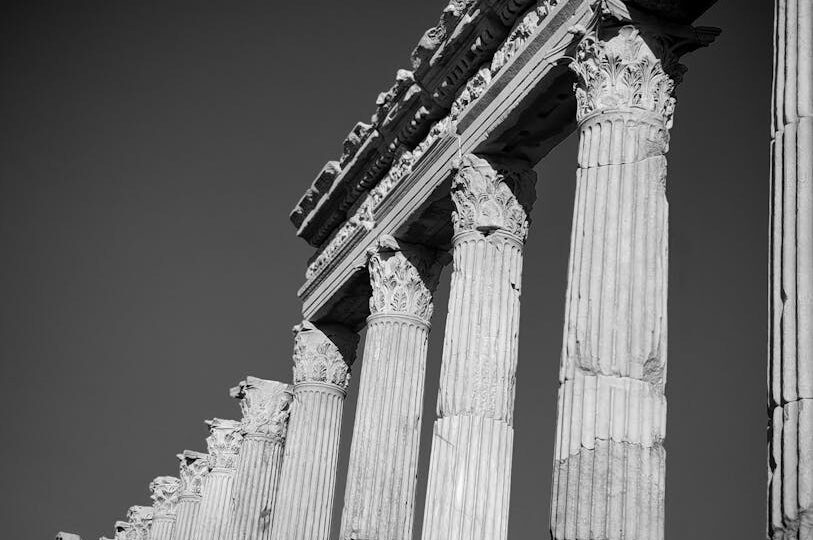
How to Capture Stunning Photos of Historical Landmarks
Embarking on a journey to photograph historical landmarks is like stepping into a time machine. Each click of your camera can capture the essence of centuries-old stories, cultural richness, and architectural grandeur. But how do you ensure your photos do justice to these magnificent sites? Let’s delve into some techniques and tips that will help you capture images worth sharing.
Understanding Your Subject
Before you start snapping away, take a moment to learn about the landmark you’re photographing. Understanding the history and significance of the site can add depth to your photos. For example, knowing that the Colosseum in Rome hosted gladiatorial contests might inspire you to capture its grandeur from a low angle, emphasizing its towering arches against the sky.
Researching the architectural style can also guide your composition. The intricate Gothic details of Notre-Dame in Paris, for instance, invite a focus on symmetry and vertical lines. Remember, each landmark has its own story—tell it through your lens.
Timing is Everything
Light can make or break a photograph, especially when shooting historical landmarks. The golden hours—shortly after sunrise and before sunset—offer soft, diffused light that can enhance details and create dramatic shadows. If you’re capturing Machu Picchu, the morning mist and rising sun can add a mystical quality to your images.
Don’t rule out night photography. Landmarks like the Eiffel Tower in Paris or Big Ben in London are breathtaking when illuminated against the night sky. Use a tripod for long exposure shots to capture vibrant lights and eliminate camera shake.
Consider Your Perspective
Everyone has seen the classic frontal photos of landmarks. To make your shots stand out, think creatively about your angles. Aim for unexpected viewpoints. For instance, instead of a straight-on shot of the Great Wall of China, try shooting it from a high vantage point to highlight its serpentine form stretching across the landscape.
Incorporate the surrounding environment to give context to your subject. Capture the bustling life around the Trevi Fountain in Rome by including visitors in your frame, showcasing its role as a living piece of history.
Focus on Details
While wide-angle shots capture the entirety of a landmark, don’t forget the close-ups. Zoom into the intricate carvings of the Taj Mahal or the weathered stones of Stonehenge. These details tell a story of their own, revealing the craftsmanship and passage of time that broad shots might miss.
Play with depth of field to isolate specific elements. A shallow depth of field can blur the background, drawing attention to unique features like the ironwork of the Eiffel Tower or the mosaics in the Hagia Sophia.
Use Technology to Your Advantage
In 2026, technology offers photographers tools that were once unimaginable. High-resolution cameras on smartphones now rival professional equipment. Apps like Snapseed or Adobe Lightroom allow on-the-go editing to enhance your photos with precision.
Drone photography has also become increasingly popular for capturing historical landmarks from above. With the right permissions, a drone can provide stunning aerial shots, showing landmarks like Petra in Jordan from a perspective that few have seen.
Practical Takeaway
Photographing historical landmarks is about more than just pointing and shooting. It’s about capturing the soul of the place, understanding its history, and sharing a unique perspective. As you visit each site, take time to connect with your surroundings, experiment with light and angles, and embrace the technology at your fingertips. Your journey through history, documented through your photos, will not only enrich your travel experience but also allow you to share a piece of the past with the world.