The Unexpected Allure of Industrial Heritage
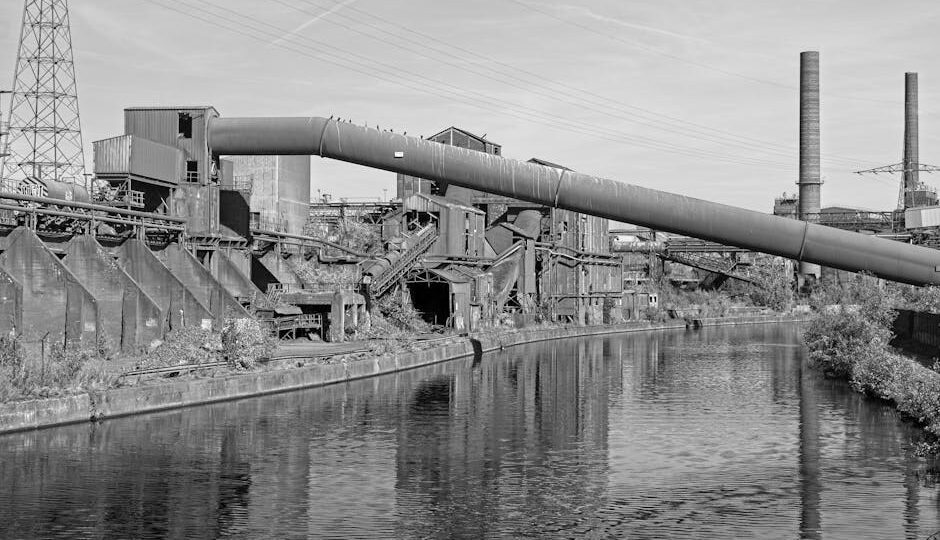
When most people plan their historical travel journeys, they often overlook industrial heritage sites. However, in 2026, these sites are gaining newfound popularity. From abandoned factories to restored mills, industrial heritage sites offer a unique glimpse into the past, showcasing innovation, labor history, and architectural prowess.
Why Visit Industrial Heritage Sites?
Industrial heritage sites are more than just relics of a bygone era. They tell stories of human ingenuity and resilience. Visiting these sites allows us to see the world through the eyes of past generations—people who shaped the industrial landscape of today. Moreover, these sites often merge history with modernity, offering interactive museums, guided tours, and even art installations.
- Learn about Technological Innovations: At places like the Ironbridge Gorge in the UK, visitors can witness the birthplace of the Industrial Revolution. The site’s museums and exhibits demonstrate the technological advancements that changed the world.
- Experience Architectural Wonders: The Zollverein Coal Mine Industrial Complex in Germany is a UNESCO World Heritage site known for its Bauhaus-inspired architecture. It’s a stunning reminder that industrial sites can be both functional and beautiful.
- Engage with Living History: Many industrial heritage sites, such as the Lowell National Historical Park in the USA, offer reenactments and interactive experiences. Here, you can step back in time and understand the lives of factory workers during the industrial boom.
Top Industrial Heritage Sites to Visit in 2026
The world is dotted with incredible industrial heritage sites that are well worth your time. Here are some top recommendations:
Pittsburgh’s Carrie Blast Furnaces, USA
Once vital to America’s steel industry, the Carrie Blast Furnaces now stand as a testament to the region’s industrial prowess. Guided tours offer an in-depth look at the steel-making process, and art installations repurpose the space into something both historic and modern.
Les Machines de l’île, Nantes, France
A creative wonder, Les Machines de l’île is a fantasy world inspired by Jules Verne and the industrial history of Nantes. The site is home to gigantic mechanical animals, including the famous Grand Elephant, which visitors can ride through the site.
Gunkanjima (Battleship Island), Japan
Off the coast of Nagasaki lies Gunkanjima, an eerily beautiful island that was once the most densely populated place on Earth. Now a ghost town, visitors can take guided tours to learn about its mining history and subsequent decline.
Preserving Industrial Heritage in the 21st Century
Preservation is key to maintaining the stories and structures of industrial heritage sites. Since the late 20th century, there has been a growing movement to protect and restore these sites. Organizations like the International Committee for the Conservation of the Industrial Heritage (TICCIH) work tirelessly to ensure these sites are maintained for future generations.
- Community Involvement: Local communities play a crucial role in preserving industrial heritage. Many sites have been saved thanks to grassroots efforts to promote tourism and awareness.
- Adaptive Reuse: Many industrial sites have been repurposed as cultural venues, blending old and new in exciting ways. These spaces are often used for art exhibitions, concerts, and even community events, breathing new life into historic locations.
Practical Takeaway: Planning Your Visit
When planning a visit to an industrial heritage site, consider checking the site’s calendar for special events or exhibitions. Many sites offer seasonal tours or festivals that can enrich your experience. Don’t forget to wear comfortable shoes, as these sites can be expansive. And finally, immerse yourself in the stories and innovation that each site has to offer—it’s a journey not just through history, but also through human achievement.