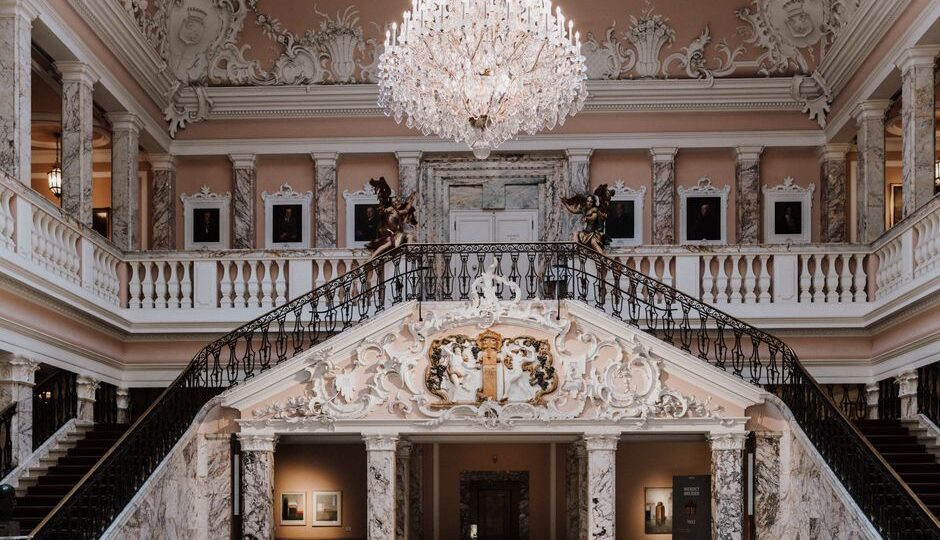
The Forgotten Gems of European Aristocracy
When you think of European palaces, iconic images of Versailles or Buckingham Palace might spring to mind. But what about those lesser-known, hidden palaces that once bustled with aristocratic intrigue but have slipped quietly into the shadows of history? In 2026, these under-the-radar gems offer a unique opportunity for travelers eager to dive deep into history beyond the well-trodden paths.
Exploring the Enchanting Gripsholm Castle, Sweden
Just a stone’s throw from Stockholm, Gripsholm Castle sits majestically on the banks of Lake Mälaren. Built in the 16th century, it’s a stunning example of Swedish Renaissance architecture. Once a royal residence, it houses the Swedish National Portrait Gallery, home to over 5,000 portraits, including the famous depiction of King Gustav Vasa. Visitors can wander through themed rooms richly decorated with antique furniture, offering a glimpse into the lavish lifestyle of its past inhabitants.
Discover the Secret Splendor of Castello di Sammezzano, Italy
Tucked away in the Tuscan hills, Castello di Sammezzano is an extraordinary example of Moorish Revival architecture. Built in 1605, the castle is a stunning kaleidoscope of colors and patterns — think intricate mosaics, arches, and domes that transport you to an Arabian Nights fantasy. It was once a lavish private residence, and although it’s not open to the public year-round, special guided tours are available in 2026, making it a rare treasure for historical tourists.
Wandering Through the Silent Hallways of Château de Chantilly, France
While often overshadowed by Versailles, Château de Chantilly offers an equally enchanting experience. Nestled in the lush Chantilly forest, this estate includes not just the opulent castle adorned with exquisite art collections, but also the Chantilly Racecourse and the Musée Condé, boasting one of France’s finest art collections. The sprawling gardens, designed by André Le Nôtre, are a masterpiece in themselves, inviting leisurely strolls amidst fountains and classical statues.
The Overlooked Elegance of Palacio de las Dueñas, Spain
In the heart of Seville lies Palacio de las Dueñas, a lesser-known palace that whispers stories of Spanish nobility. Built in the late 15th century, its architecture is a harmonious blend of Gothic, Renaissance, and Mudejar styles. Once the residence of the Duke of Alba, it’s now open to the public, showcasing an impressive array of art and antique furnishings from across Europe. The lush gardens, with their vibrant bougainvillea and fragrant orange trees, offer a serene escape from the city bustle.
Practical Tips for Visiting Europe’s Hidden Palaces in 2026
- Plan Ahead: Some palaces, like Castello di Sammezzano, require advance booking due to limited opening days. Check their official websites for tour dates and availability.
- Guided Tours: Opt for guided tours where available. Knowledgeable guides provide fascinating insights that you might miss exploring on your own.
- Combine Destinations: Many hidden palaces are located near other historical sites. Plan an itinerary that includes nearby castles or landmarks to maximize your cultural experience.
- Local Cuisine: After immersing yourself in history, indulge in local culinary delights. Many castles have quaint cafes or are near traditional eateries where you can savor regional dishes.
- Respect Preservation Efforts: These palaces are part of our shared heritage. Follow all visitor guidelines to help preserve their beauty for future generations.
Exploring Europe’s hidden palaces offers a unique lens into the continent’s rich history and aristocratic past. By venturing off the beaten path, travelers can uncover the stories and splendor of these lesser-known gems, making for an unforgettable historical journey in 2026.