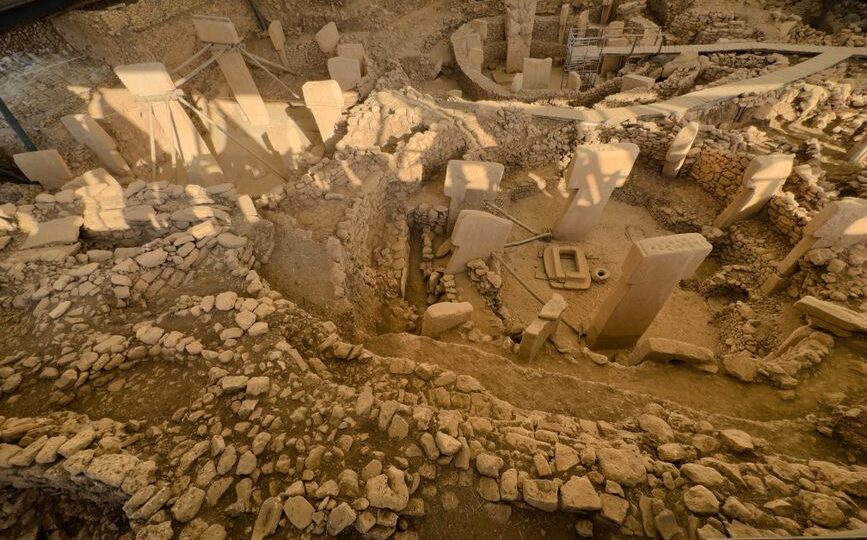
Discovering the Secrets of Göbekli Tepe, Turkey
In the heart of Southeastern Anatolia lies Göbekli Tepe, a site that has reshaped our understanding of prehistoric societies. Nearly 12,000 years old, these T-shaped pillars and carvings predate Stonehenge by millennia. As you wander through its megalithic circles, you’ll feel the weight of history and mystery. Was this a temple, or perhaps a communal gathering place? Recent digs continue to reveal new insights, making each visit unique.
What sets Göbekli Tepe apart is its ability to challenge what we know about the inception of human civilization. A guided tour in 2026 includes immersive virtual reality experiences, helping visitors visualize its construction and usage by ancient peoples. Don’t miss the chance to partake in an on-site archaeological workshop, where you can try your hand at ancient stone carving techniques.
The Majestic Beauty of Petra, Jordan
Petra is not just a city carved into sandstone; it’s a testament to the ingenuity of the Nabataeans. In 2026, Petra remains one of the world’s most visited archaeological sites, and for good reason. From the iconic Treasury to the sprawling Monastery, each structure tells a story of trade, innovation, and resilience. With new sections being uncovered, every trip promises a fresh perspective.
The Petra by Night experience has been enhanced with advanced lighting technology, making the ancient city glow under the desert stars. Walking through the Siq at night, accompanied by traditional music, is an unforgettable way to connect with the spirit of Petra.
The Lost City of the Incas: Machu Picchu, Peru
Machu Picchu continues to captivate historians and tourists alike. Perched high in the Andes, this Incan city offers breathtaking views and a glimpse into ancient engineering marvels. In 2026, visitors can explore the recently restored agricultural terraces and learn about the sophisticated water management systems that sustained the Inca people.
For those seeking a more active adventure, the Salkantay Trek has gained popularity as an alternative route to Machu Picchu, integrating both natural beauty and cultural immersion. The trek concludes with a breathtaking view of the sunrise over the ancient ruins, a moment that feels like stepping back in time.
Exploring the Ruins of Angkor, Cambodia
Angkor, once the thriving capital of the Khmer Empire, is a sprawling complex of temples and ruins that spark the imagination. The most famous of these is Angkor Wat, the largest religious monument in the world. In 2026, continued conservation efforts have enhanced the site’s accessibility while preserving its grandeur.
Visitors can now explore newly restored areas of Ta Prohm, where nature and architecture intertwine. Engage with local guides who share insights into the symbolism and history behind the intricate carvings. To avoid the heat and crowds, consider an early morning or late afternoon visit, capturing the temples in stunning golden light.
Unraveling the Mysteries of Pompeii, Italy
The eruption of Mount Vesuvius in AD 79 preserved Pompeii in a time capsule, providing a unique window into ancient Roman life. The ongoing excavations continue to yield fascinating discoveries, from vibrant frescoes to everyday household items. In 2026, interactive displays and augmented reality tours bring Pompeii to life like never before.
Special focus has been given to the preservation of the Villa of the Mysteries, where new conservation techniques have stabilized the structure while allowing visitors to admire its enigmatic frescoes. Although wandering the cobbled streets of Pompeii is a journey back in time, modern amenities and visitor centers ensure a comfortable experience.
Practical Tips for Archaeological Adventures
- Book Ahead: Popular sites like Petra and Machu Picchu have limited daily access to preserve their integrity, so secure your tickets in advance.
- Engage with Local Experts: Hiring a knowledgeable guide can enhance your experience, offering insights you might miss on a self-guided tour.
- Respect the Sites: Follow site rules and respect barriers to help preserve these wonders for future generations.
- Plan for the Elements: Many sites are outdoors, so bring appropriate clothing, water, and sun protection.
Exploring archaeological sites is more than just a travel experience; it’s an opportunity to connect with the past. As you plan your 2026 adventures, immerse yourself in the stories and secrets of these ancient wonders.