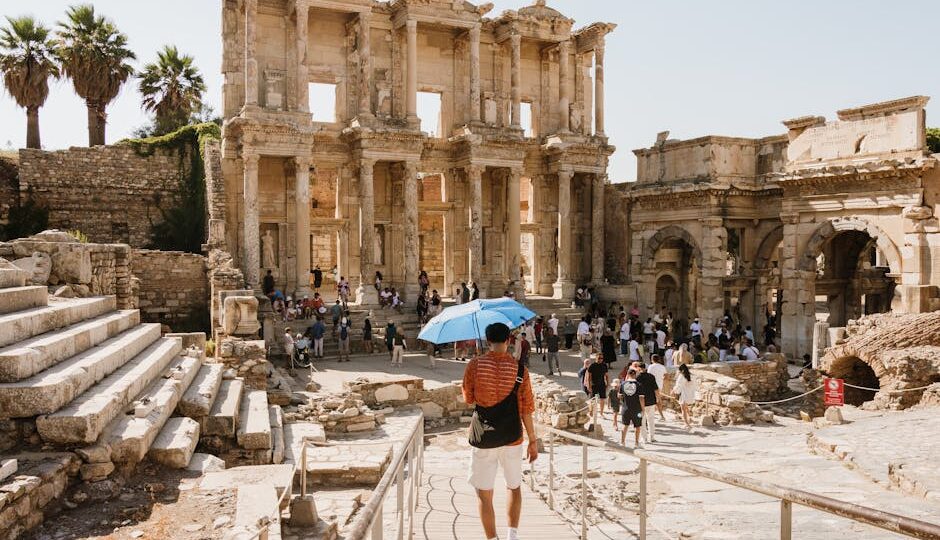
7 Mistakes to Avoid When Visiting Ancient Ruins
Visiting ancient ruins is a unique experience that offers a window into the past. These sites are not just remnants of bygone eras but living testaments to human ingenuity, culture, and history. However, exploring these sites demands a certain level of respect and preparation. Here are seven common mistakes to avoid to ensure your trip is both enjoyable and respectful.
1. Ignoring Local Guidelines and Rules
Every historical site comes with its own set of rules. These guidelines are often crafted to preserve the integrity of the ruins and ensure visitor safety. For example, when visiting the iconic Machu Picchu in Peru, there’s a strict regulation against bringing food and drink, as they can attract wildlife and lead to deterioration. Ignoring such rules can not only disrupt your visit but also cause irreversible damage to the site.
2. Overlooking the Importance of Respect
These ancient sites hold sacred and historical significance for many cultures. In places like Angkor Wat in Cambodia, or the Aboriginal sites in Australia, these are not just ancient structures, but sacred spaces. Respect local customs, dress appropriately, and maintain a demeanor befitting temples or burial grounds. Disrespect can lead to tension with locals and even fines.
3. Underestimating the Climate and Terrain
Ruins are often situated in locations that require a good deal of physical exertion to access. The steep steps of the Mayan pyramids at Chichen Itza in Mexico, or the scorching sun at Egypt’s Valley of the Kings, are challenging environments. Always check the weather forecast, wear appropriate clothing, and bring essentials like water, sunscreen, and sturdy shoes.
4. Forgetting to Plan Your Visit
Spontaneity is a fantastic trait for many travel experiences, but not when visiting ancient ruins. Popular sites like the Colosseum in Rome or the Acropolis in Athens often require timed tickets or tours booked well in advance. Arriving without a plan can mean long waits or even missing out entirely. Research the best times to visit and book any necessary tickets beforehand.
5. Disregarding the Importance of a Guide
While wandering through ruins on your own sounds romantic, having a knowledgeable guide can enrich your experience dramatically. A good guide can bring the site to life with stories and historical context that you might miss otherwise. Imagine exploring the ruins of Pompeii with someone explaining the everyday life of its residents before the eruption—it adds a whole new dimension to your visit.
6. Engaging in Disruptive Behavior
The allure of ancient ruins often draws many visitors, creating an environment where noise and disruption can spoil the experience for everyone. Refrain from loud conversations or playing music, as the serene atmosphere is part of what makes these sites special. Take the example of Stonehenge in England, where maintaining silence enhances the mystery and majesty of the stone circle.
7. Forgetting to Capture the Experience Mindfully
In the age of social media, capturing every moment is tempting, but it can detract from the real experience. While taking photos is fine, spend some time just being present. Imagine standing amidst the ruins of Petra in Jordan, taking in the vastness and beauty without the barrier of a camera screen. Your memories, unfiltered by a lens, often leave the most lasting impressions.
Takeaway: Visiting ancient ruins is a rewarding and enlightening experience, provided one approaches it with respect and preparation. By avoiding these common mistakes, you can ensure a meaningful encounter with history, enriching your travel experience beyond measure.