The Renaissance Revival: Why 2026 Is the Perfect Year
In 2026, the allure of the Renaissance period continues to captivate the imagination of travelers yearning for a deeper connection to the past. This year marks 550 years since the birth of Andrea Palladio, the influential architect whose work continues to shape the aesthetic of cities like Venice and Vicenza. What better time to embark on a journey through the architectural treasures of the Renaissance?
1. The Timeless Grace of Florence’s Duomo
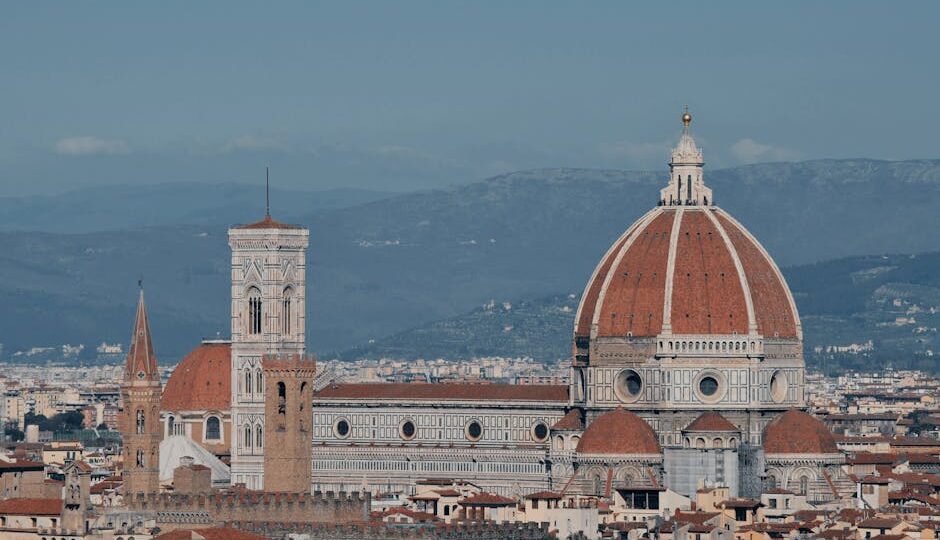
Florence, the heart of the Renaissance, is home to the illustrious Duomo, officially known as the Cattedrale di Santa Maria del Fiore. Completed in 1436, its iconic dome was designed by Filippo Brunelleschi, a true pioneer of architectural innovation. Climbing its 463 steps is a rite of passage for many visitors, offering unprecedented views of the city. The Duomo remains a testament to the ingenuity and artistic vision of its creators. A guided tour, often available in multiple languages, can enrich your experience by providing historical context and intriguing anecdotes about its construction.
2. Venice’s Palladian Influence
Venice, another Renaissance gem, offers a different architectural flavor. Here, the influence of Andrea Palladio is unmistakable. His most famous work, the Church of San Giorgio Maggiore, stands proudly on its namesake island. The church’s harmonious proportions and classical elements inspired countless buildings across Europe and North America. In 2026, a special exhibition in Venice celebrates Palladio’s legacy, providing insight into his methods and the broader impact on Western architecture.
3. The Splendor of Château de Chambord
For those venturing into France, the Château de Chambord in the Loire Valley is a must-visit. This architectural marvel combines medieval forms with classical Renaissance structures, rumored to have been influenced by Leonardo da Vinci himself. Its double-helix staircase and grand façade are a photographer’s dream. In 2026, the château hosts an immersive exhibit highlighting its construction during King Francis I’s reign, allowing visitors to experience the Renaissance era firsthand.
4. Discovering the Cultural Crossroads in Dubrovnik
Dubrovnik’s Old City, a UNESCO World Heritage site, serves as a lesser-known but equally fascinating destination for Renaissance architecture enthusiasts. Although known for its medieval walls, this Croatian city also boasts stunning Renaissance palaces and churches. The Rector’s Palace, rebuilt after a fire in the 15th century, elegantly combines Gothic and Renaissance styles. Walking tours available throughout 2026 offer a unique perspective on how Dubrovnik served as a melting pot of cultural influences.
5. Experiencing Renaissance Art in the Vatican Museums
No Renaissance journey is complete without a visit to the Vatican Museums in Rome. The museums house some of the period’s most significant masterpieces, including Raphael’s frescoes and the Sistine Chapel ceiling painted by Michelangelo. In 2026, a new section dedicated to Renaissance cartography opens, showcasing the era’s advancements in navigation and exploration. Booking tickets in advance is advised, as the museums attract millions of visitors annually.
Practical Tips for the Renaissance Explorer
- Plan for Crowds: While 2026 is a special year for Renaissance enthusiasts, it also means popular sites may be busier than usual. Consider visiting during off-peak hours.
- Guided Tours: Many sites offer guided tours which provide valuable insights and save time. They’re especially beneficial in places like the Vatican Museums, where art and architecture intertwine.
- Advance Reservations: For sites like the Duomo and the Vatican, booking in advance can save hours of waiting in line.
- Respect Local Customs: Many Renaissance sites are still active places of worship. Dress appropriately and be aware of local customs to ensure a respectful visit.