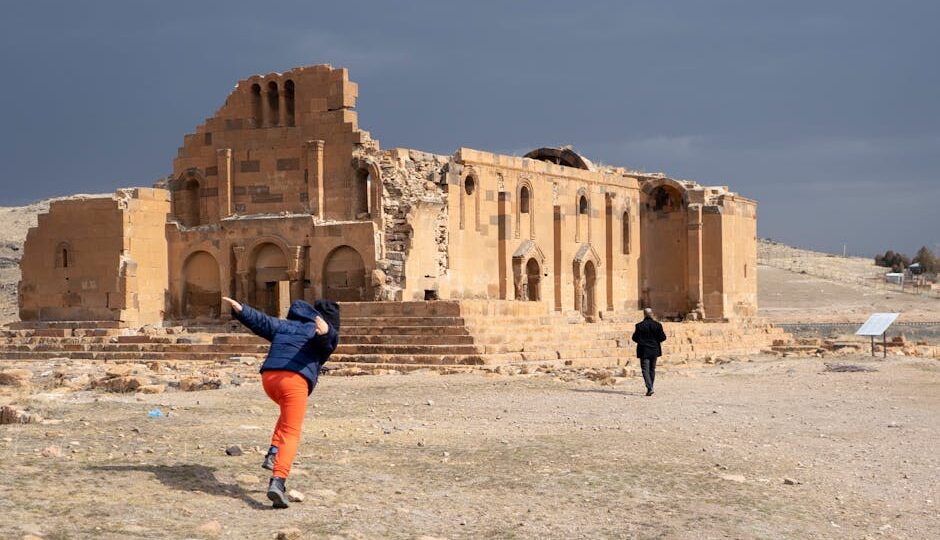
The Intersection of History and Tourism
History is the cornerstone of understanding who we are today, and tourism acts as the bridge to connect us with our past. Historical tourism has gained momentum as an integral part of modern education, offering experiential learning that textbooks simply cannot. Imagine standing amidst the towering pyramids of Giza, or wandering the cobbled streets of ancient Rome. These experiences bring history to life in a way that ignites curiosity and fosters a deeper understanding of the past.
The Educational Benefits of Historical Tourism
Educational institutions across the globe are increasingly incorporating historical tourism into their curriculums. Why? Because students who engage with history firsthand are more likely to retain information and develop a nuanced understanding of cultural contexts. A visit to the Anne Frank House in Amsterdam, for example, offers insights into the harrowing experiences of those who lived through World War II, far beyond what any textbook could convey.
Moreover, historical sites offer multidisciplinary learning opportunities. Take Pompeii, Italy—a place where archaeology, history, and geology intersect. Students can explore how the catastrophic eruption of Mount Vesuvius in 79 AD preserved a snapshot of Roman life, providing invaluable lessons on disaster management, urban planning, and societal structures.
Cultural Exchange and Global Awareness
Historical tourism fosters cultural exchange and global awareness, crucial skills in our interconnected world. By visiting landmarks like the Great Wall of China or the Taj Mahal, students learn to appreciate cultural diversity and global history. These experiences encourage empathy and understanding, breaking down stereotypes and promoting multiculturalism.
For instance, visiting Hiroshima and Nagasaki can provide vital lessons on peace and the consequences of war, fostering a generation more committed to global harmony. The emotional impact of walking through the Hiroshima Peace Memorial Park or viewing the artifacts at Nagasaki’s Atomic Bomb Museum cannot be overstated; they leave a lasting impression that traditional education struggles to achieve.
The Economic and Social Impact of Historical Tourism
Beyond education, historical tourism also plays a crucial role in supporting local economies and preserving cultural heritage. In 2025, the global cultural tourism market was valued at approximately $1.5 trillion, with historical sites drawing millions of visitors annually. This influx of tourism dollars supports local economies, creates jobs, and funds conservation efforts.
Take Machu Picchu in Peru, which attracts over a million tourists each year. The revenue generated supports local communities and funds preservation activities, ensuring that this UNESCO World Heritage site continues to educate future generations.
Practical Takeaway: The Importance of Preservation
As we embrace historical tourism as a tool for education, it’s crucial to prioritize the preservation of these landmarks. Sustainable tourism practices ensure that these sites remain intact and accessible for future generations. Tour operators, educators, and tourists alike must work together to minimize their environmental impact and respect the cultural significance of these historical treasures.
Incorporating historical tourism into educational programs not only enriches learning but also instills a sense of stewardship and responsibility towards cultural preservation. As we continue to explore the past, we lay the groundwork for a more informed and compassionate future.