The Tangible Connection to Our Past
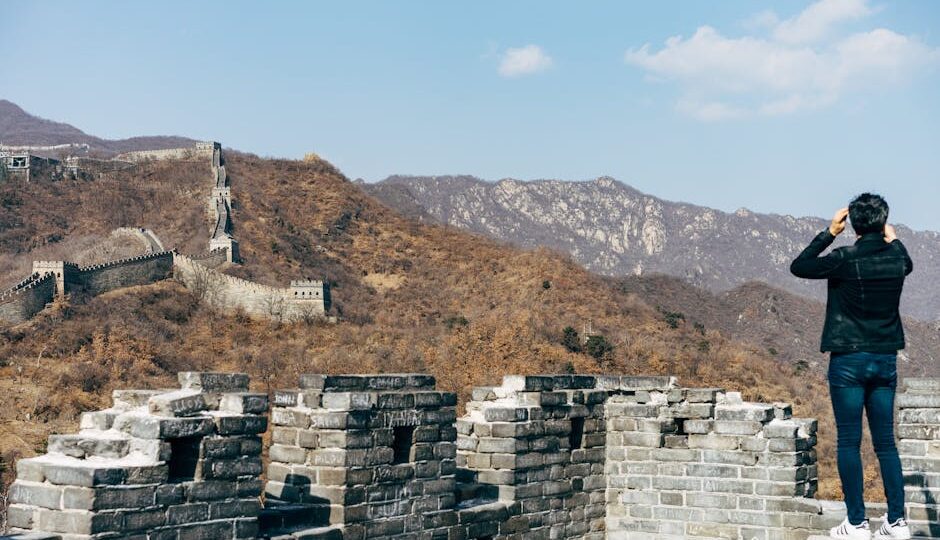
Have you ever stood in the shadow of the Colosseum in Rome or wandered through the ancient ruins of Machu Picchu? These historical landmarks are not just relics of a bygone era but living stories etched in stone and earth. The importance of exploring historical landmarks is immense, offering us a tangible connection to our past. These sites are the physical embodiment of history, allowing us to walk in the footsteps of those who shaped our world. Imagine standing at the foot of the Great Wall of China, pondering the sheer audacity of its construction—over 13,000 miles of fortifications and a testament to human determination.
Education Beyond Textbooks
While textbooks provide a foundation of knowledge, nothing compares to the experiential learning gained from visiting historical landmarks. Walking through the Anne Frank House in Amsterdam, for example, offers insights into the harrowing experiences of those who lived through the Holocaust. It’s an education that transcends dates and facts, connecting us to emotions and narratives that are often sanitized in traditional educational settings. According to a 2024 study by the World Tourism Organization, travelers who engage directly with historical sites demonstrate a higher retention of historical knowledge compared to those who only read about them.
A Boost to Cultural Appreciation
Visiting historical landmarks increases our appreciation for diverse cultures. In 2025, over 1.4 billion people traveled to various heritage sites worldwide, highlighting a global desire to understand and embrace cultural differences. Walking through the temples of Angkor Wat in Cambodia, one can’t help but marvel at the intricate carvings and spiritual significance. These experiences foster an appreciation for the artistry, beliefs, and values of cultures different from our own. It’s a bridge of understanding that can lead to a more harmonious global community.
Economic Benefits for Local Communities
Historical landmarks are also pivotal in supporting local economies. They create jobs, from tour guides and hospitality workers to artisans selling traditional crafts. For instance, the historic city of Petra in Jordan saw a 25% increase in tourist visits in 2025, boosting the local economy by over $200 million as reported by the Jordanian Ministry of Tourism. When you explore these sites, you’re not just feeding your curiosity but also contributing to the economic stability of communities that depend on cultural tourism.
Preservation for Future Generations
By visiting and supporting historical landmarks, we play a role in their preservation. Many sites require ongoing maintenance to combat the effects of time and climate change. The restoration of the Parthenon in Athens, for instance, is a massive, ongoing project that has been supported by both tourist dollars and international grants. When we prioritize visiting these sites, we help ensure that future generations will also have the opportunity to experience their grandeur and learn from their stories.
The Personal Impact of Historical Exploration
On a personal level, exploring historical landmarks can be profoundly transformative. It’s not uncommon for travelers to return home with a newfound appreciation for the past, inspired by the resilience and creativity of those who came before us. Standing inside the Sistine Chapel, gazing up at Michelangelo’s masterpiece, can evoke a sense of awe and a deeper appreciation for human potential. These personal experiences often ignite a lifelong passion for history and travel, encouraging continuous learning and exploration.
By embracing the stories and lessons embedded in these landmarks, we enrich not only our understanding of history but also our perspective on the present and future. So, the next time you plan a trip, consider adding a historical landmark to your itinerary. Your adventure will be more than just a journey through time; it will be a key to unlocking a deeper connection to the world around you.
Practical Takeaway: How to Start Your Historical Exploration Journey
Begin by identifying a landmark that piques your interest. Utilize online resources and virtual tours to gather background information before your visit. Consider joining a guided tour for expert insights, and always respect the local customs and preservation efforts in place. Most importantly, approach each landmark with an open mind and a sense of curiosity—you might be surprised by what you learn and how it changes you.