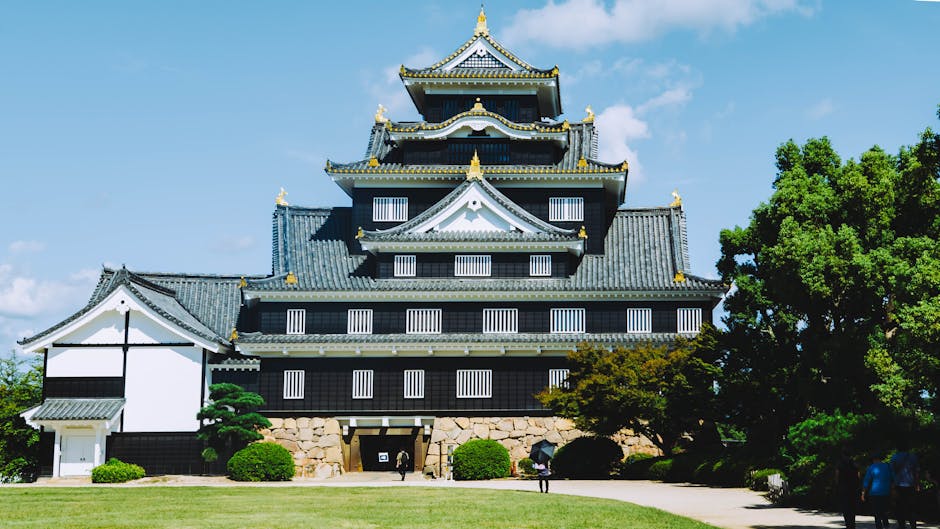
Discovering the Architectural Wonders of Japanese Castles
Japan is a land where the past intertwines seamlessly with the present. As we journey through 2026, the country’s castles stand as majestic sentinels of time, each with its own story to tell. Unlike their European counterparts, Japanese castles offer a unique blend of architectural ingenuity and cultural significance. Their evolution from fortresses to symbols of power and prestige paints a vivid picture of Japan’s dynamic history.
These castles were once the epicenters of power for feudal lords, or daimyo, and their strategic significance cannot be overstated. From the iconic white facade of Himeji Castle to the striking black walls of Matsumoto Castle, each structure provides a unique glimpse into the past. But there’s more to these historic monuments than meets the eye.
Understanding the Cultural Context of Japan’s Castles
Japanese castles are deeply entwined with the social and political changes that shaped the nation. During the Azuchi-Momoyama period, castles evolved from simple fortifications to ornate palaces, reflecting the transition from wartime to peacetime. This era saw the likes of Oda Nobunaga and Toyotomi Hideyoshi, whose legacies continue to shape Japan’s cultural landscape.
The castles’ locations were meticulously chosen for their strategic advantages. Often built on mountains or surrounded by moats, these structures were designed to withstand sieges. Today, they offer stunning panoramic views that captivate visitors worldwide.
Exploring the Top Castles to Visit in 2026
- Himeji Castle: Also known as the White Heron Castle, Himeji Castle is a UNESCO World Heritage Site and arguably the most famous of all. Its brilliant white exterior and complex architecture make it an essential stop for history enthusiasts.
- Matsumoto Castle: Known for its innovative defense systems and striking black facade, Matsumoto Castle offers a captivating look into the military tactics of the Sengoku period.
- Kumamoto Castle: Though partially damaged in the 2016 earthquake, Kumamoto Castle has undergone significant restoration efforts. Its robust structure and immersive history provide a deep dive into Japan’s feudal past.
- Nijo Castle: Situated in Kyoto, Nijo Castle was the residence of the Tokugawa shoguns. Its intricate wall paintings and gardens offer a serene glimpse into the opulence of the Edo period.
Practical Tips for Visiting Japanese Castles
Before setting out on your castle exploration journey, here are a few practical tips to enhance your experience:
- Wear Comfortable Shoes: Many castles feature extensive grounds and steep staircases. Good footwear is essential.
- Check Restoration Schedules: Some castles may undergo renovations. Check in advance to ensure you don’t miss out on the main attractions.
- Utilize Guided Tours: Guided tours often provide invaluable insights into the history and cultural significance of each site.
The Role of Castles in Modern Japan
Today, Japan’s castles play a crucial role in cultural preservation and education. They serve as tangible links to the past, offering insights into ancient craftsmanship and historical events. Local communities often engage in festivals and reenactments, breathing life into these ancient walls.
In an era where digital and virtual experiences are becoming the norm, visiting these castles offers an authentic connection to history that cannot be replicated online. They remind us of the importance of preserving our heritage and the stories these stones still tell.
The Practical Takeaway: Embrace the Journey
Exploring Japan’s castles in 2026 is more than just a historical tour. It’s a journey through time, a chance to walk in the footsteps of samurai and shoguns. By immersing yourself in these architectural masterpieces, you gain a deeper understanding of Japan’s rich tapestry. So, lace up your boots, grab your camera, and prepare to be captivated by the timeless charm of Japan’s castles.