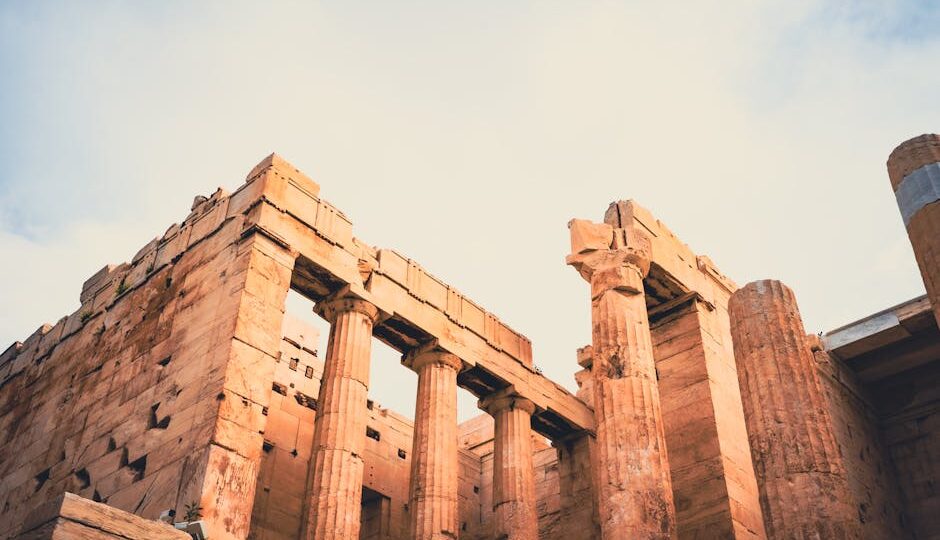
Exploring the Influence of Ancient Civilizations in 2026
The echoes of ancient civilizations continue to resonate in our modern world, shaping cultures, inspiring innovations, and providing insight into human history. As we stand in 2026, the allure of these bygone eras draws us to explore their remnants. From awe-inspiring architecture to timeless philosophies, ancient civilizations have left indelible marks on our global landscape.
The Architectural Marvels of Antiquity
Architecture offers a profound glimpse into the technological advancements and artistic sensibilities of ancient cultures. The Pyramids of Giza, standing majestically on the Egyptian sands, are a testament to the engineering prowess of the ancient Egyptians. Built around 4,500 years ago, these structures were constructed using more than 2 million stone blocks, some weighing as much as 80 tons. Today, visitors are drawn not only to their sheer size but also to the stories of pharaohs and the mysteries that shroud their construction.
Meanwhile, the ancient city of Petra in Jordan, often referred to as the “Rose City” due to the color of the stone, was carved directly into vibrant red, white, and pink sandstone cliffs more than 2,000 years ago by the Nabataeans. This UNESCO World Heritage Site captivates travelers with its intricate facades and the ancient water conduit system that sustained the desert city.
Cultural and Philosophical Legacies
The philosophical traditions of ancient civilizations continue to influence contemporary thought. The teachings of Confucius, dating back to the 5th century BCE, emphasize values such as respect for elders, filial piety, and the importance of education. These principles still underpin many aspects of East Asian cultures today.
Similarly, ancient Greek philosophy laid the groundwork for Western intellectual traditions. Socrates, Plato, and Aristotle explored topics ranging from ethics and politics to metaphysics and aesthetics. Their works are still studied in universities around the world, offering timeless insights into the human condition.
Art and Symbolism Across Time
Art was a vital form of expression for ancient civilizations, and its influence endures. The intricate frescoes of the Minoans from Crete, dating back to 1,500 BCE, depict vibrant scenes of nature, religious rituals, and everyday life, providing valuable clues to the culture’s priorities and practices.
In contrast, the colossal stone heads of the Olmec civilization in present-day Mexico showcase a striking style of monumental sculpture. These heads, dating back to 900 BCE, are believed to represent rulers and are a powerful symbol of authority and leadership.
Technological Innovations Paving the Way
Some of the most remarkable technological advancements of antiquity laid the foundation for modern innovations. The ancient Romans, known for their engineering prowess, developed an extensive network of roads, aqueducts, and sanitation systems that sustained their empire for centuries. The Roman aqueducts, with their precise arches and gravity-driven water flow, continue to inspire modern engineers.
The ancient Chinese civilization introduced groundbreaking inventions such as paper, the compass, and gunpowder. In 2026, we still rely on these innovations in various forms, illustrating the profound and lasting impact of early Chinese ingenuity.
The Timeless Allure of Ancient Sites
As we journey through 2026, the ancient ruins and landmarks beckon travelers, promising a connection with the past. The Acropolis of Athens, with its iconic Parthenon, offers an unparalleled experience of walking where ancient philosophers once debated. Every pillar tells a story, and every stone holds the weight of history.
Similarly, the Great Wall of China stretches over 13,000 miles, winding through mountains and deserts. Originally built to protect against invasions, today, it stands as a symbol of perseverance and the enduring spirit of the Chinese people.
Practical Takeaway for Modern Explorers
For those planning to explore these ancient marvels, it’s crucial to approach them with both reverence and curiosity. Immerse yourself in the stories, engage with local guides, and consider the profound impact these civilizations have had on our modern world. Whether marveling at the engineering feats of the Romans or pondering the philosophies of the Greeks, understanding our past enriches our present and informs our future.