15 Fascinating World War II Sites You Can Visit Today
World War II left an indelible mark on history, forever changing the landscape of our modern world. As we step into 2026, more than eight decades have passed since the end of this colossal conflict, yet the echoes of that era remain a compelling draw for travelers and history enthusiasts alike. From Europe to Asia, these sites offer insights into the resilience of humanity and the profound impact of war.
1. Auschwitz-Birkenau, Poland
Perhaps the most sobering of all World War II sites, Auschwitz-Birkenau stands as a testament to the atrocities committed during the Holocaust. Located near the town of Oświęcim in Poland, this former Nazi concentration and extermination camp is now a museum that attracts over two million visitors annually. Walking through the barracks, gas chambers, and the infamous railway tracks, visitors gain a harrowing insight into the lives of those who suffered here.
2. Normandy Beaches, France
The sands of Normandy bear witness to the largest seaborne invasion in history. On June 6, 1944, known as D-Day, Allied forces stormed these beaches, marking a significant turning point in the war. Today, visitors can explore the five main landing sites—Utah, Omaha, Gold, Juno, and Sword—each marked by memorials and museums that detail the valor and sacrifice of the soldiers who fought there.
3. Pearl Harbor, Hawaii, USA
The surprise attack on Pearl Harbor on December 7, 1941, propelled the United States into World War II. The serene waters of this harbor now host the USS Arizona Memorial, a poignant tribute to the 1,177 crewmen who lost their lives. Visiting this site offers an opportunity to reflect on the events that changed the course of history.
4. The Imperial War Museum, London, England
Located in the heart of London, the Imperial War Museum provides a comprehensive overview of the experiences of those who lived through World War II. With interactive exhibits, personal stories, and an impressive collection of wartime artifacts, it offers a vivid depiction of life during wartime Britain.
5. Hiroshima Peace Memorial Park, Japan
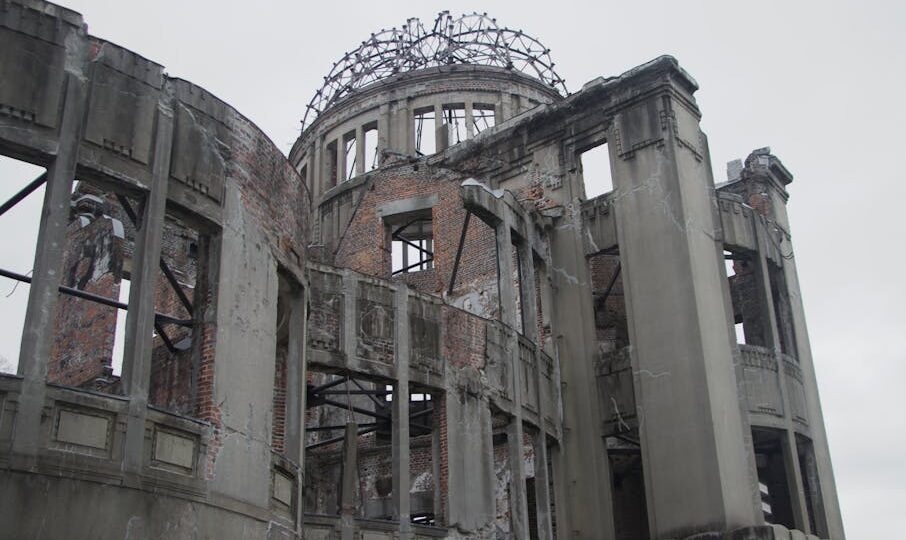
In the bustling city of Hiroshima, the Peace Memorial Park stands as a symbol of hope and resilience. The park is dedicated to the victims of the atomic bomb dropped on August 6, 1945. The A-Bomb Dome, one of the few buildings that survived the blast, serves as a stark reminder of the devastating power of nuclear weapons.
6. The Reichstag Building, Berlin, Germany
The Reichstag, the seat of the German Parliament, played a significant role during and after World War II. Severely damaged during the war, it was fully restored and now features a striking glass dome that symbolizes transparency in government. Visitors can explore the building and enjoy panoramic views of Berlin from its rooftop terrace.
7. Anne Frank House, Amsterdam, Netherlands
The secret annex where Anne Frank penned her famous diary is now a museum dedicated to her memory and the broader context of the Holocaust. Visitors can walk through the cramped quarters and learn about the lives of the Frank family and their helpers during the German occupation of the Netherlands.
8. Bletchley Park, England
Once the top-secret home of the British codebreakers, Bletchley Park is where Alan Turing and his team cracked the Enigma code. Now a museum, the site showcases the incredible intelligence work that helped shorten the war. Interactive exhibits and displays invite visitors to unravel the mysteries of wartime codebreaking.
9. The American Cemetery, Normandy, France
Overlooking Omaha Beach, the American Cemetery in Colleville-sur-Mer is the final resting place for 9,385 American military personnel. The perfectly aligned rows of headstones, set against the backdrop of the Atlantic Ocean, provide a poignant space for reflection on the sacrifices made during the liberation of Europe.
10. The Museum of the Great Patriotic War, Moscow, Russia
This sprawling museum in Moscow offers a Russian perspective on World War II, known locally as the Great Patriotic War. With extensive exhibitions and dioramas, visitors can explore the Eastern Front’s grueling battles and the Soviet Union’s pivotal role in the Allied victory.
11. Dachau Concentration Camp, Germany
Established in 1933, Dachau was the first concentration camp opened in Nazi Germany. It served as a model for subsequent camps and operated until 1945. Today, it functions as a memorial site where visitors can learn about the history of the camp and the experiences of its prisoners.
12. National WWII Museum, New Orleans, USA
Located in New Orleans, this museum offers an immersive experience into the American perspective of World War II. Through exhibits featuring personal accounts, artifacts, and interactive displays, visitors can delve into the stories of those who served on the battlefront and the home front.
13. El Alamein Battlefield, Egypt
The Battle of El Alamein was a turning point in the North African campaign. The battlefield, located near the Mediterranean coast, is dotted with memorials and museums that commemorate the Allied victory against the Axis forces. The nearby Commonwealth War Cemetery honors the soldiers who lost their lives in this crucial conflict.
14. The Warsaw Uprising Museum, Poland
This museum in Warsaw is dedicated to the heroic yet tragic 1944 uprising against the Nazi occupation. It offers a comprehensive narrative through multimedia displays, artifacts, and personal stories, helping visitors understand the courage and sacrifice of the Polish resistance fighters.
15. Churchill War Rooms, London, England
Hidden beneath the streets of London, the Churchill War Rooms served as the nerve center for British wartime operations. Preserved as they were during the war, these underground bunkers offer an intimate glimpse into the life and strategies of Britain’s wartime leader, Winston Churchill.
Practical Takeaway
Visiting these World War II sites offers more than just a historical lesson; it provides a profound understanding of the resilience, courage, and sacrifice that defined an era. As you plan your next journey, consider the stories and experiences these places have to offer—a chance to honor the past and reflect on the enduring quest for peace.