The Iconic Steps of History
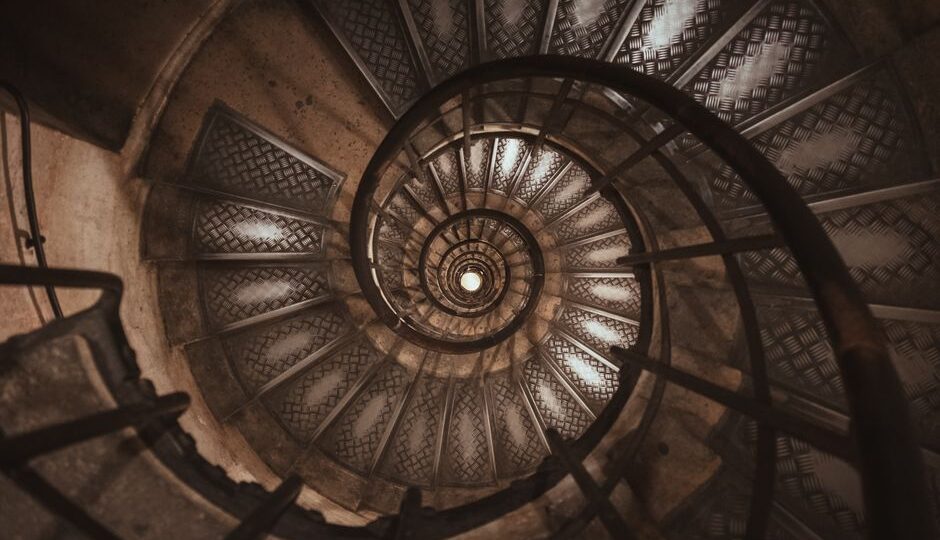
Stairways have long served as more than mere functional structures. They symbolize ascension, serve as architectural marvels, and often stand at the intersection of significant historical events. As we step into 2026, let’s tread the paths of history and visit some of the world’s most iconic staircases.
The Spanish Steps, Rome
In the heart of Rome lies the Spanish Steps, a masterpiece of Baroque architecture. Built in the 18th century, these 135 steps connect the Piazza di Spagna at the base to the Trinità dei Monti church at the top. In 2026, they continue to allure travelers and locals alike, offering not just a path but a place of gatherings, celebrations, and a perfect spot for a moment of reflection in the Eternal City.
The steps have witnessed centuries of history, from papal processions to modern-day film shoots. Their design, an elegant mix of curves, straight lines, and terraces, offers a gentle climb that is as much about the journey as the destination. Explore the local cafes and boutiques around the Piazza di Spagna, making the Spanish Steps a gateway to discovering Roman life.
The Potemkin Stairs, Odessa
In Odessa, Ukraine, the Potemkin Stairs stand as a symbol of cinematic history and a testament to the power of perspective. Originally consisting of 200 steps, only 192 remain today after renovations. The design creates a fascinating optical illusion: seen from the top, all steps appear to merge seamlessly, while from the bottom, the landings disappear.
These stairs gained worldwide fame through Sergei Eisenstein’s 1925 film Battleship Potemkin. Even a century later, the haunting scene of the baby carriage tumbling down the stairs continues to resonate with viewers and visitors alike. In 2026, walking these steps provides a profound connection to film history and the rich cultural tapestry of Odessa.
The Batu Caves Steps, Malaysia
Just outside Kuala Lumpur, the Batu Caves stand as a religious and natural marvel. The site, dedicated to the Hindu deity Lord Murugan, features a steep climb of 272 brightly colored steps leading up to a series of magnificent limestone caves. In 2026, the vibrant hues of the stairs and the towering gold statue of Lord Murugan continue to attract pilgrims and tourists.
Aside from their religious significance, the caves offer an opportunity to explore natural beauty and biodiversity. Limestone formations estimated to be over 400 million years old create a dramatic backdrop, while the resident macaque monkeys add a lively touch to your ascent.
Stepwells of India: The Rani ki Vav
Venturing to Patan, Gujarat, one must not miss the Rani ki Vav, a UNESCO World Heritage site. This 11th-century stepwell is a subterranean architectural wonder, showcasing a reverse temple design with over 500 principal sculptures of Hindu deities.
Its intricately carved steps guide visitors down seven levels, each more breathtaking than the last. The experience in 2026 is both a historical journey and a spiritual one, as the stepwell reflects the marriage of functionality and exquisite artistry. Rani ki Vav offers a unique glimpse into ancient water management and the grandeur of Indian craftsmanship.
The Sacred Steps of the Potala Palace, Tibet
High above the city of Lhasa, the Potala Palace stands as a beacon of Tibetan history and spirituality. The climb up its sacred steps is a journey into the heart of Tibetan Buddhism. Built in the 7th century, these steps have seen the footsteps of Dalai Lamas, pilgrims, and now, in 2026, curious travelers.
The ascent offers panoramic views of the surrounding mountains and valleys, making the arduous climb utterly rewarding. The palace itself, with its vast collection of sculptures, murals, and ancient scriptures, presents an immersive experience into the cultural and religious heritage of Tibet.
Practical Tips for Your Stairway Exploration
- Wear Comfortable Footwear: Many of these staircases involve a significant climb, so proper shoes are essential.
- Plan Your Visit: Some sites, like the Batu Caves and Potala Palace, can get crowded. Consider visiting early in the morning or late afternoon.
- Respect Local Customs: Especially important at religious sites, be mindful of dress codes and local traditions.
- Stay Hydrated: Long climbs and warm climates can be taxing. Carry water and take breaks when needed.