The Silk Road: A Historical Overview
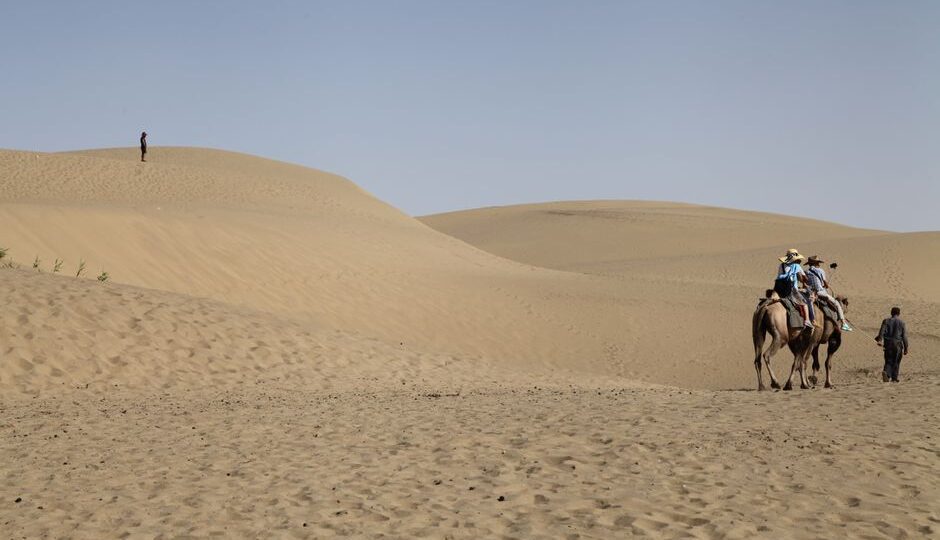
The Silk Road, a network of trade routes that connected the East and West, has long captivated historians and travelers alike. Stretching over 4,000 miles, this ancient pathway was the lifeline of cultural, commercial, and technological exchange between empires and civilizations. As we step into 2026, the allure of the Silk Road remains stronger than ever, inviting us to explore its rich history and vibrant cultures.
Key Destinations Along the Silk Road
Planning a trip along the Silk Road offers a feast for the senses, with diverse destinations each telling their own unique stories. Here are some must-visit spots:
- Samarkand, Uzbekistan: Known as the Crossroad of Cultures, Samarkand boasts stunning Islamic architecture and a history that dates back to the 7th century. The Registan, a majestic square surrounded by three madrasahs, is a testament to the city’s historical significance.
- Kashgar, China: As a pivotal trading post, Kashgar offers a glimpse into the past with its bustling bazaars and ancient mosques. The Id Kah Mosque and the Sunday Bazaar are cultural highlights that should not be missed.
- Bukhara, Uzbekistan: This ancient city, a UNESCO World Heritage site, is packed with historical treasures. The Ark of Bukhara and the Lyab-i Hauz ensemble reflect the city’s rich heritage and architectural brilliance.
- Antioch, Turkey: While often overshadowed by other Silk Road destinations, Antioch played a crucial role as a bridge between the Roman and Persian Empires. The city’s archaeological museum is filled with artifacts that narrate the tale of its illustrious past.
Practical Tips for Traveling the Silk Road in 2026
Embarking on a journey through the Silk Road requires some preparation and insight. Here are practical tips to enhance your adventure:
- Plan Your Route: While the Silk Road spans multiple countries, you don’t need to traverse the entire length. Research and choose specific segments that align with your interests and timeline.
- Embrace Local Cuisine: Each region along the Silk Road offers unique culinary experiences. From Uzbekistan’s plov to China’s hand-pulled noodles, indulgence in these dishes provides a deeper connection to the local culture.
- Engage with the Locals: The stories and hospitality of the people you meet can enrich your journey. Learning basic phrases in the local language can open doors to authentic experiences.
- Respect Cultural Norms: Many areas along the Silk Road have conservative customs. Dressing modestly and being aware of cultural etiquette will ensure a respectful and immersive travel experience.
The Continued Significance of the Silk Road
The Silk Road’s influence on global development is undeniable. In 2026, as we forge new connections and face global challenges, the lessons of cooperation and shared knowledge from the Silk Road remain relevant. This journey not only offers historical insight but also a reminder of our interconnected world.
Takeaway: A Journey Worth Taking
For those with a thirst for history and adventure, the Silk Road provides a profound travel experience. Its ability to evoke a sense of wonder and understanding of global heritage makes it a destination worth exploring. By journeying through its ancient paths, we not only rediscover a pivotal part of history but also contribute to its preservation and appreciation.