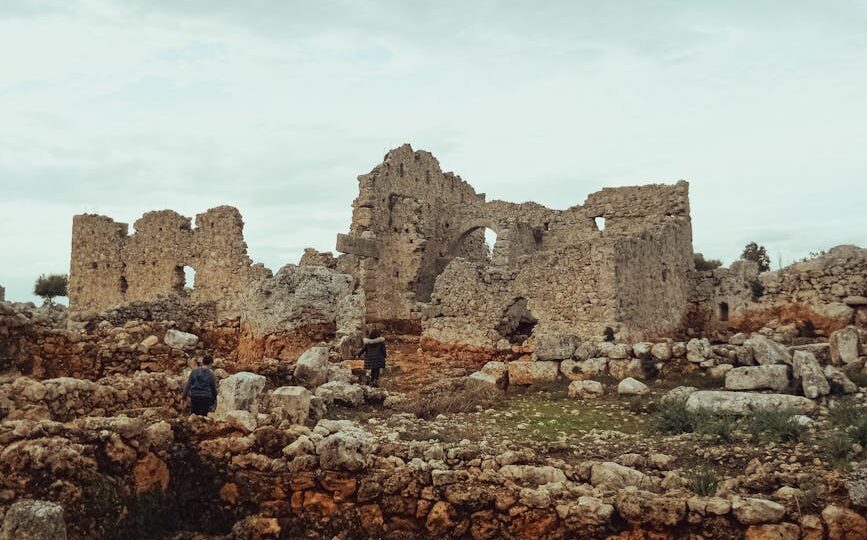
Machu Picchu: The Lost City of the Incas
Perched high in the Andes Mountains of Peru, Machu Picchu continues to captivate the imaginations of travelers worldwide. Discovered in 1911 by the American historian Hiram Bingham, this 15th-century Inca citadel is renowned for its sophisticated dry-stone construction and panoramic views over the Urubamba River valley. In 2026, new visitor guidelines ensure a more intimate exploration, offering guided sunrise tours that unveil the magical mist-shrouded vistas as the sun rises over the ancient stones. This UNESCO World Heritage site is accessible via the Inca Trail, a journey that itself is a rite of passage for adventurous souls.
The Timeless Beauty of Petra
Hidden within the rugged deserts of Jordan, Petra is an archaeological wonder, famous for its rock-cut architecture and water conduit system. Originally established around the 5th century BC, the city served as the capital of the Nabataean Kingdom. The iconic facade of the Treasury, or Al-Khazneh, carved from rose-red sandstone, greets visitors at the end of the Siq, a narrow, winding canyon. Recent restoration efforts have enhanced accessibility, allowing visitors to explore deeper into the caves and crypts that once housed an entire civilization. This year, the annual Petra Desert Marathon has gained popularity, offering a unique way to experience this ancient city.
Angkor Wat: A Testament to Khmer Ingenuity
Angkor Wat, the largest religious monument in the world, stands as a testament to the architectural prowess of the Khmer Empire. Located in Cambodia, this sprawling temple complex was initially constructed in the early 12th century as a Hindu temple dedicated to Vishnu, before gradually transforming into a Buddhist site. The intricate bas-reliefs and towering spires are best viewed at dawn, when the golden hues of the sunrise reflect off the temple’s sandstone walls. In 2026, the site offers immersive virtual reality experiences that transport visitors back in time, recreating the bustling life of the ancient city.
The Enigmatic Stonehenge
Surrounded by mystery and intrigue, Stonehenge remains one of the world’s most famous prehistoric monuments. Located in Wiltshire, England, this ring of standing stones, each around 13 feet high, is believed to have been constructed from 3000 BC to 2000 BC. While the purpose of Stonehenge is still debated, it attracts millions who are drawn to its enigmatic nature. Recent archaeological finds have sparked renewed interest, revealing ancient graves and artifacts. The summer solstice event draws crowds who gather to witness the sun rise in perfect alignment with the stones, a spiritual experience that connects modern visitors with ancient traditions.
The Colosseum: Rome’s Gladiatorial Arena
In the heart of Rome, the Colosseum stands as a monumental testament to the engineering brilliance of the Roman Empire. This iconic amphitheater, completed in AD 80, once hosted brutal gladiatorial contests and spectacular public spectacles. With seating for over 50,000 spectators, the Colosseum’s grandeur is best appreciated from its upper tiers, offering sweeping views of Rome’s historic center. Recent renovations have restored sections previously inaccessible to tourists, including the underground hypogeum where gladiators and animals awaited their fates. Audio guides enriched with holographic projections bring the ancient games to life, providing an unforgettable glimpse into the past.
Practical Takeaway for Your 2026 Travels
As you plan your journey to these ancient wonders, consider the timing of your visit to take advantage of favorable weather and avoid the peak tourist seasons. Whether you are trekking through the Andes or wandering through the deserts of Jordan, prepare to immerse yourself fully, respecting local customs and contributing to the preservation of these invaluable cultural treasures.