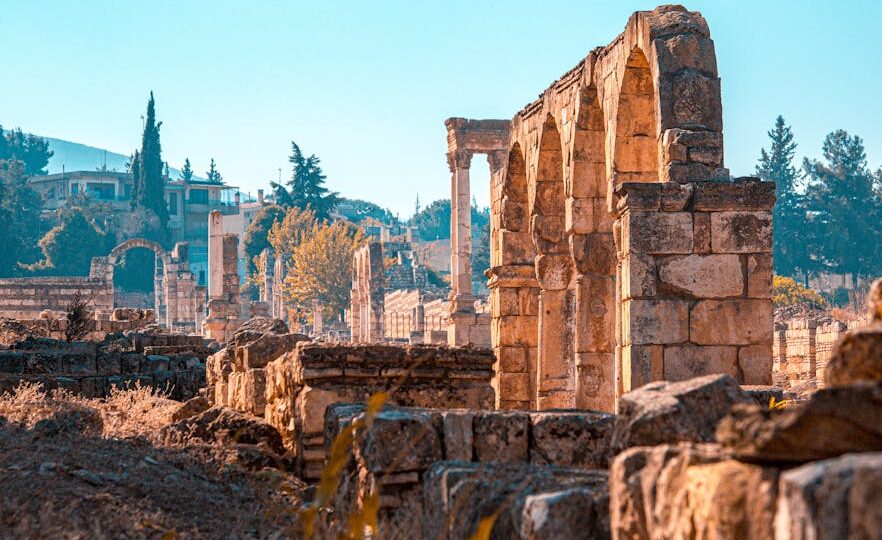
The Living Tapestry of History
Historical sites are the living tapestry of our collective past. These landmarks, whether they are ancient ruins, grand castles, or quaint old towns, offer a glimpse into the lives, cultures, and innovations of those who came before us. Take, for instance, the majestic Colosseum in Rome. Built nearly 2,000 years ago, this iconic structure stands not just as a symbol of Roman engineering prowess, but as a testament to the societal values and entertainment culture of an empire that once ruled vast territories.
Preserving such sites is akin to safeguarding the pages of a history book, ensuring that future generations have the opportunity to learn where we came from, and how our societies have evolved over millennia. Without them, much of our understanding of human history would remain but a whisper in the annals of time.
Educational Opportunities Beyond the Classroom
There’s no substitute for learning history where it actually happened. Educational experiences at historical sites transcend traditional classroom settings, offering interactive and immersive learning opportunities. Consider the experience of visiting the Anne Frank House in Amsterdam. Walking through the hidden rooms where Anne and her family lived in hiding provides an emotional depth and personal connection to World War II history that cannot be matched by textbooks alone.
Engaging with history firsthand fosters a deeper appreciation and understanding. It ignites a curiosity in young minds and sparks a passion for exploration and learning. In this digital age, where virtual experiences abound, the tactile and sensory engagement of physically exploring historical locations is irreplaceable.
Economic Benefits of Historical Site Preservation
Preserving historical sites also brings substantial economic benefits. Tourism centered around these landmarks generates significant revenue. The Great Wall of China, attracting more than 10 million visitors annually, is a prime example of how a single historical site can bolster a national economy through travel, hospitality, and related industries.
Moreover, the preservation of historical sites often leads to the revitalization of surrounding areas, creating jobs and boosting local economies. The restoration of a historic district can transform a neighborhood, bringing in tourists, fostering community pride, and encouraging local businesses. This ripple effect showcases how investments in heritage conservation can yield both cultural and economic dividends.
Fostering Cultural Identity and Continuity
Historical sites are the custodians of cultural identity. They embody the traditions, beliefs, and stories that define a community or nation. By preserving these sites, we maintain a tangible connection to our cultural roots, which is crucial in fostering a sense of identity and continuity.
For indigenous communities, historical sites are especially significant. They serve as sacred spaces that hold spiritual significance and are central to the preservation of cultural practices and languages. Protecting these sites is essential in ensuring that the rich, diverse tapestry of human cultures is not lost but instead celebrated and passed on to future generations.
The Environmental Aspect of Historical Preservation
The preservation of historical sites often intersects with environmental conservation efforts. Restoring ancient structures typically involves employing traditional and sustainable building methods. The use of local materials and techniques not only preserves the authenticity of the sites but also minimizes environmental impact.
Moreover, many historical sites are located in areas of natural beauty. Preserving these sites often goes hand in hand with protecting the surrounding landscapes. For example, Machu Picchu is nestled in the Peruvian Andes, a UNESCO World Heritage Site that is as much about preserving the historical ruins as it is about safeguarding the rich biodiversity of its surrounding ecosystem.
Practical Takeaway: How You Can Contribute
Individuals play a crucial role in the preservation effort. Whether by visiting these sites and supporting local economies, advocating for their protection, or volunteering in preservation projects, every action counts. If you’re passionate about history, consider joining or supporting organizations dedicated to conserving these vital links to our past.
As we navigate the complexities of our modern world, preserving historical sites ensures that we retain the wisdom and lessons of our predecessors. In doing so, we equip future generations with a rich, diverse heritage to explore, learn from, and build upon.