How to Appreciate Local Culture Through Historical Landmarks
Imagine walking through a city where every building tells a story, where each corner echoes with voices from the past. Historical landmarks are not just remnants of history; they are living, breathing symbols of a community’s culture and identity. By exploring these sites, we gain a deeper understanding of the local culture, traditions, and values that have shaped a place over time.
Understanding the Historical Context
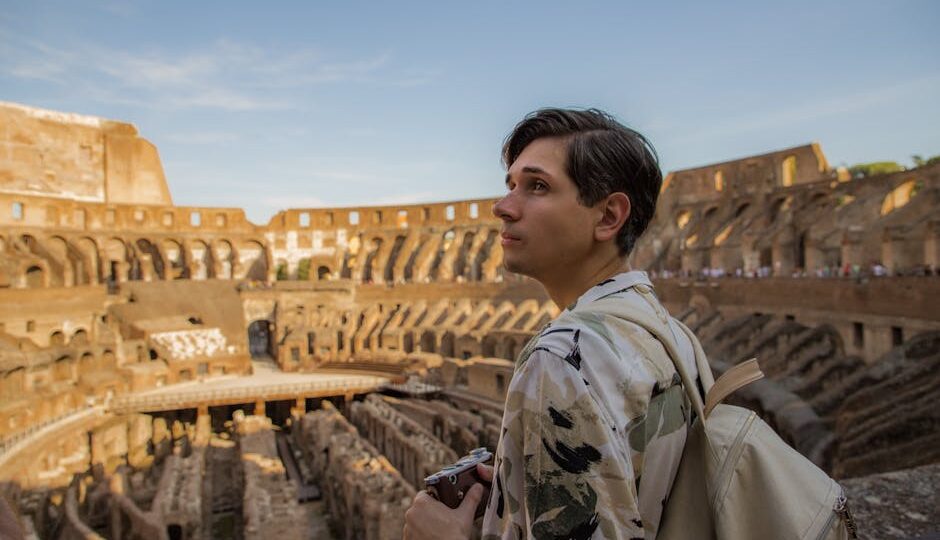
Every historical landmark is rooted in a specific era, influenced by the cultural, social, and political conditions of its time. To fully appreciate these sites, it’s crucial to delve into their historical context. Take, for example, the Colosseum in Rome, which is not just a marvel of ancient engineering but also a testament to the Roman Empire’s grandeur and its complex social hierarchy. By learning about the events and forces that led to the construction of such landmarks, visitors can connect more deeply with the local culture.
Before visiting, spend some time researching the history of the landmark. Libraries and online resources can offer a wealth of information. Guides and informational plaques at the sites themselves can also provide intriguing insights. Understanding the historical backdrop not only enriches the experience but also brings the stories of these landmarks to life.
Observing Architectural Details
Architecture is a language of its own, communicating the aesthetics, technology, and values of a culture. Pay attention to the details of historical landmarks, from the materials used to the styles adopted. For instance, the Gothic spires of Notre-Dame Cathedral in Paris showcase the medieval fascination with height and light, embodying the spiritual aspirations of the time.
Look for distinctive features such as columns, arches, and ornamentation, which often carry symbolic meanings. The intricate tile work in Islamic architecture, such as that seen in the Alhambra in Spain, reflects both the mathematical precision and the artistic creativity of its creators. By focusing on these details, you not only appreciate the artistic skill involved but also gain insights into the cultural values of the people who built them.
Engaging with Local Narratives
Landmarks are not merely historical artifacts; they are woven into the narratives of the communities that surround them. Engaging with locals can provide a personal connection to the site and a richer understanding of its cultural significance. Stories shared by residents often reveal layers of history that guidebooks might miss.
Consider joining local tours led by residents who are passionate about their heritage. Their narratives might include personal anecdotes or lesser-known facts that offer a unique perspective. For example, a guided tour of Kyoto’s Kinkaku-ji by a local might emphasize not just its iconic architecture but also its role in Japanese literature and local folklore.
Participating in Cultural Events
Many historical landmarks are venues for cultural events that reflect the traditions and practices of a place. Attending these events can be a vibrant way to experience local culture. Take the Acropolis in Athens, which hosts theatrical performances that harken back to the site’s origins as a hub of ancient Greek drama.
Check the local calendar for festivals, reenactments, and other events that might be happening during your visit. Such occasions are perfect opportunities to see how locals celebrate their history and culture, often involving music, dance, and traditional attire. Participating in these events allows visitors to witness the living culture and its roots in historical traditions.
Respecting the Site and Its Significance
With appreciation comes responsibility. Historical landmarks are often fragile, requiring care and respect from those who visit them. Be mindful of the rules and guidelines set in place to protect these sites. Avoid touching artifacts, follow designated paths, and, if photography is allowed, ensure it doesn’t disturb the site or its visitors.
Respect extends beyond physical boundaries to cultural sensitivity. Recognize and honor the significance these landmarks hold for local communities. For example, Machu Picchu in Peru is not only a tourist destination but also a sacred site for the indigenous Quechua people. Understanding and respecting this significance enriches the experience and fosters a deeper connection with the site.
Practical Takeaway
Embracing local culture through historical landmarks involves more than just admiration from afar. It requires an active engagement with history, architecture, and the living stories of the communities that cherish these sites. As you plan your next journey, remember that these landmarks are gateways to deeper cultural understanding. By approaching each site with curiosity and respect, you’ll not only appreciate the past but also enrich your own travel experience, creating memories that last a lifetime.